Lower Overdenture Explantation and Implantation: Complete Clinical Case
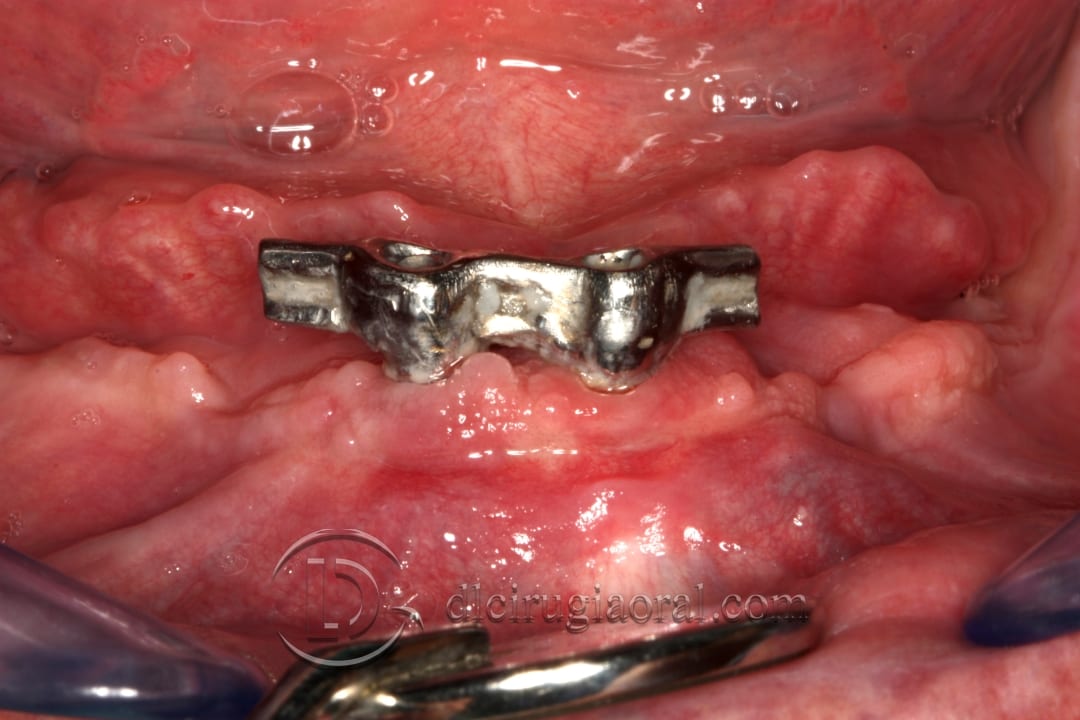
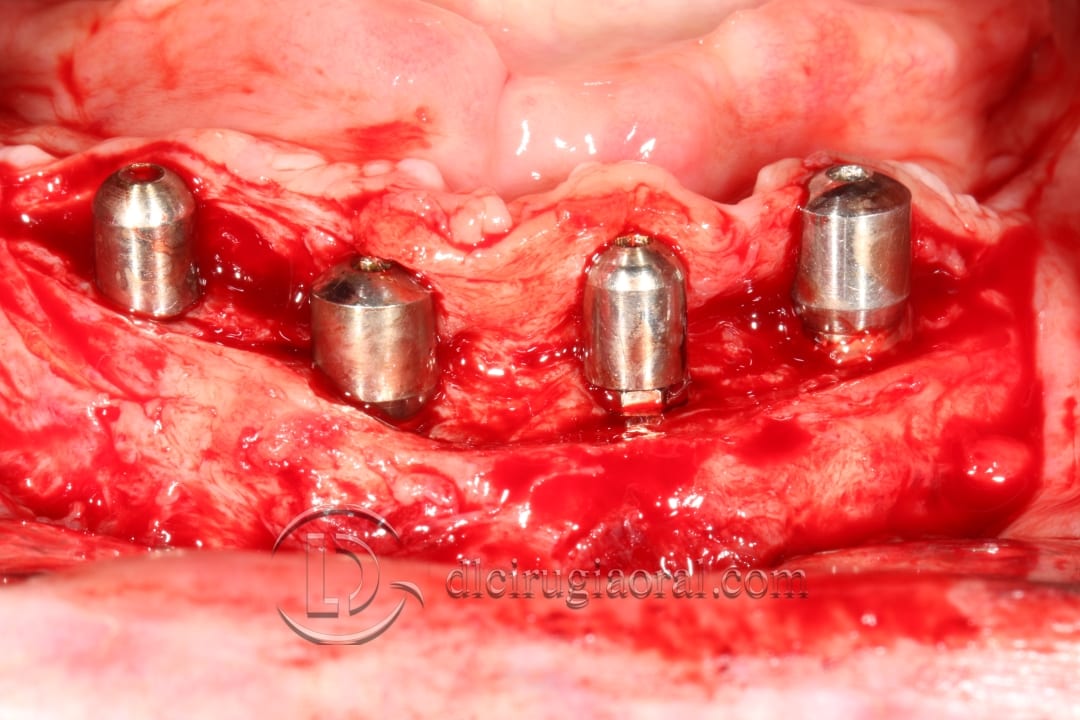
We present a case involving lower overdenture explantation and implantation in a 68-year-old male patient. He came to our clinic with persistent irritation and pain related to mandibular implants placed four years ago by another provider.
Diagnosing the Need for Lower Overdenture Explantation and Implantation
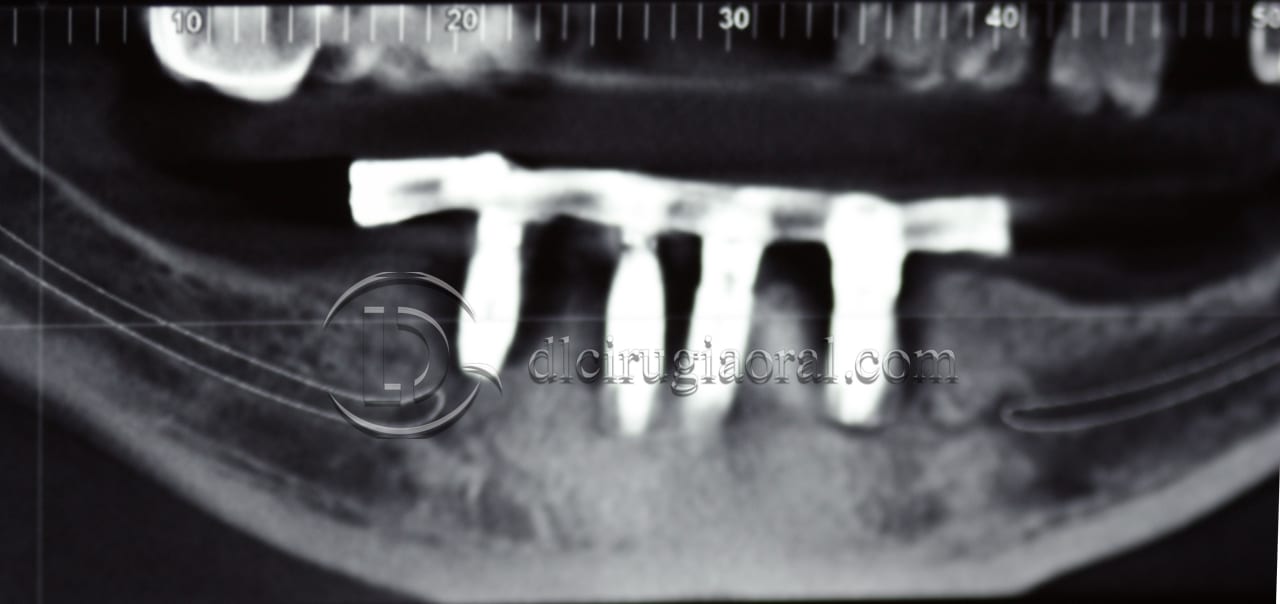
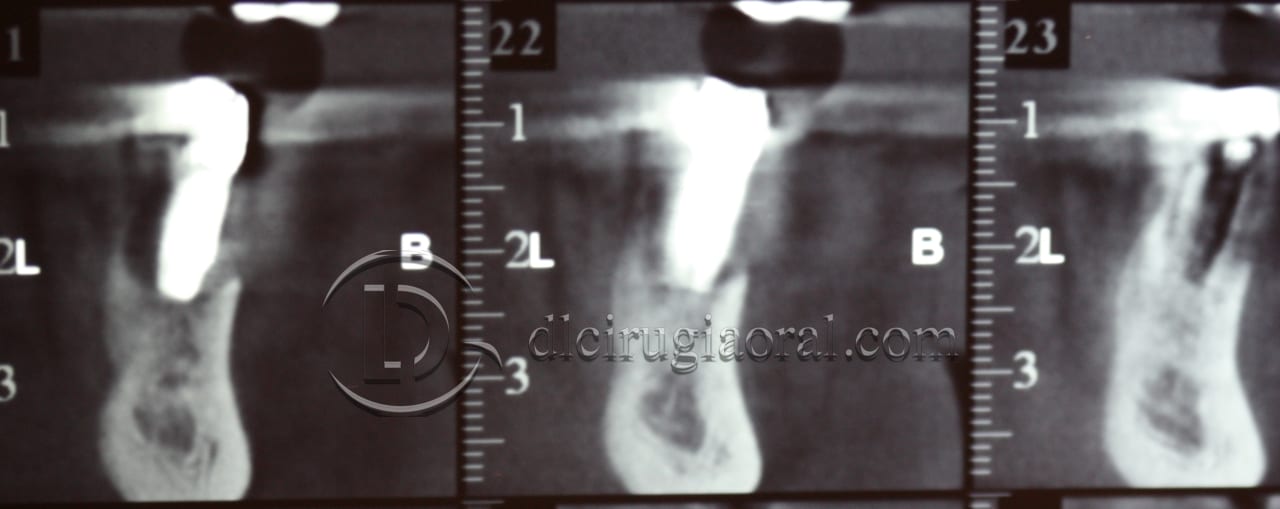
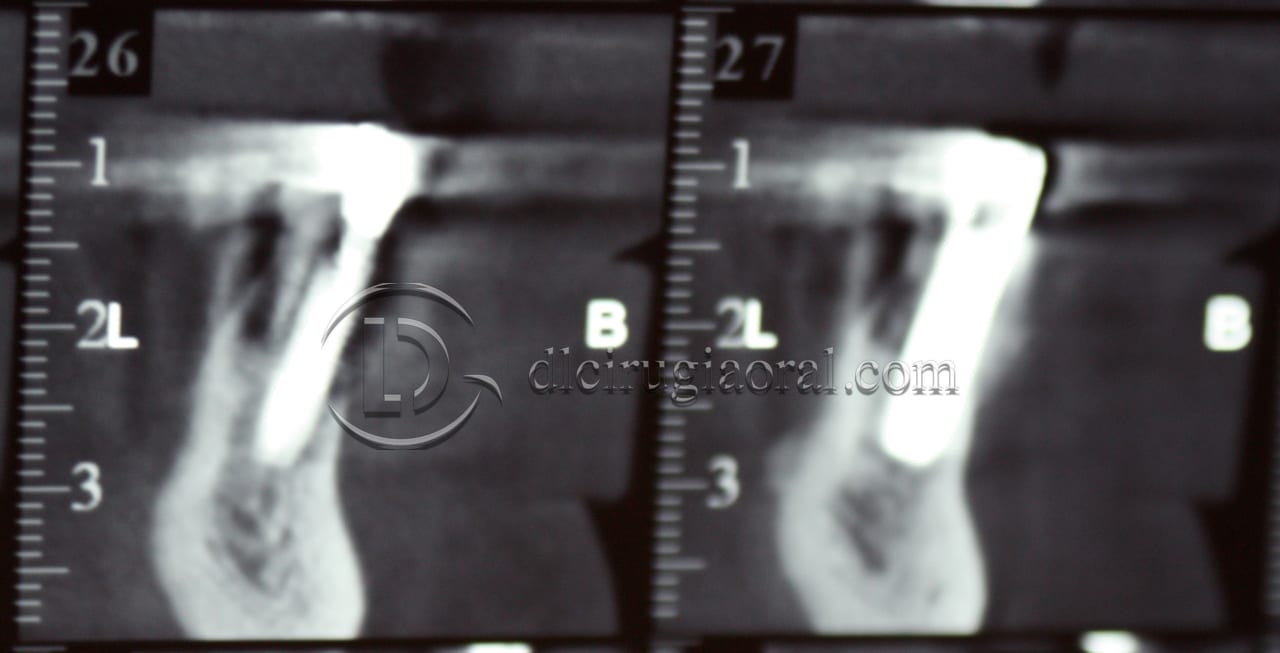
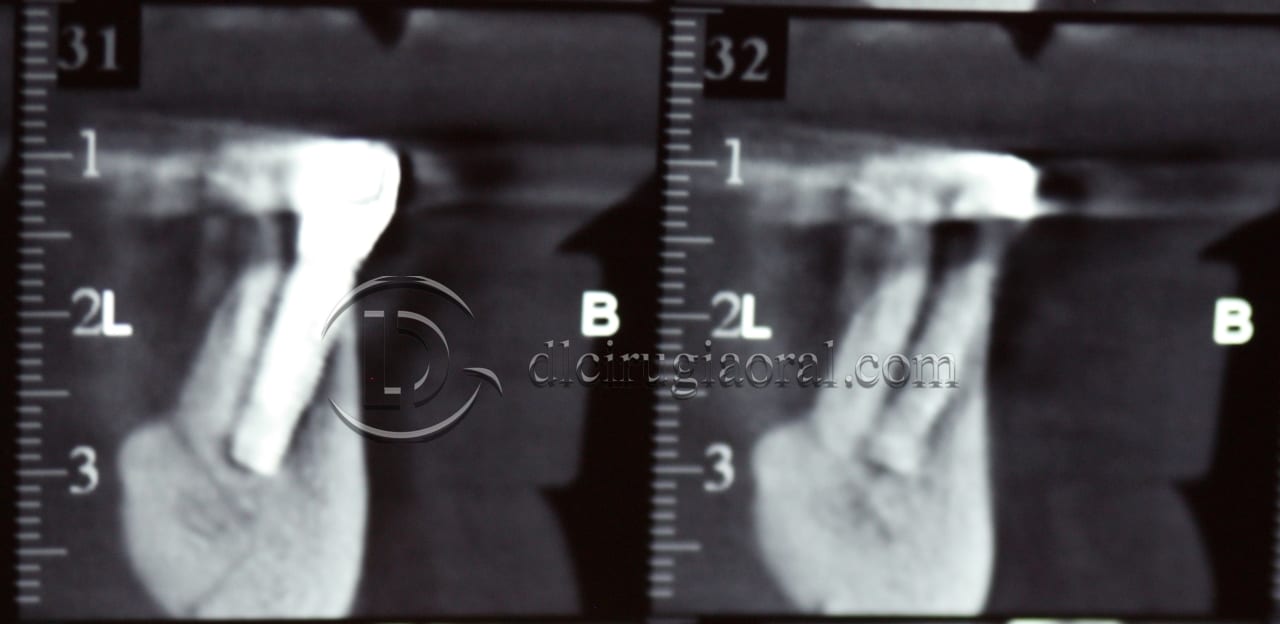
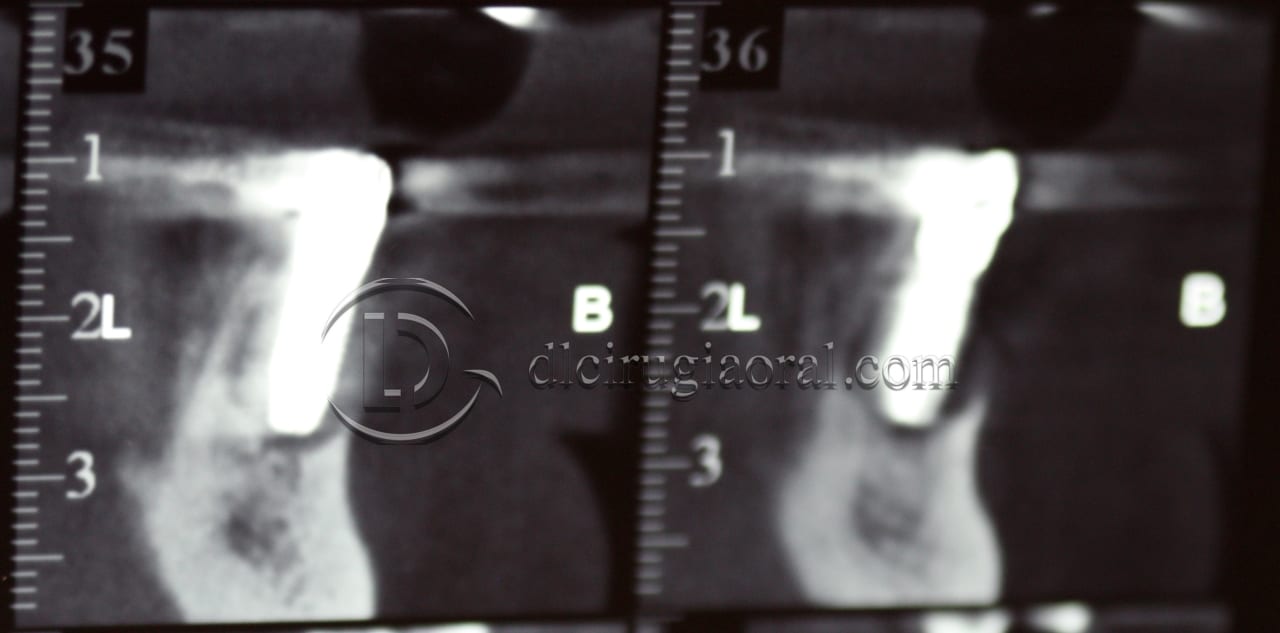
A mandibular CT scan showed significant bone loss around the implants. We identified an extremely thin buccal bone plate, likely due to an initial bone deficiency. This, combined with poor soft tissue quality, had accelerated bone resorption and implant instability.
We proposed a two-stage treatment:
-
Surgical Phase 1: Explant the failed implants, regularize the bone, and place four new implants with simultaneous autologous bone grafting.
-
Surgical Phase 2: Add keratinized tissue using a free epithelial graft and place gingiva formers.
Implant Removal and Bone Grafting Procedure
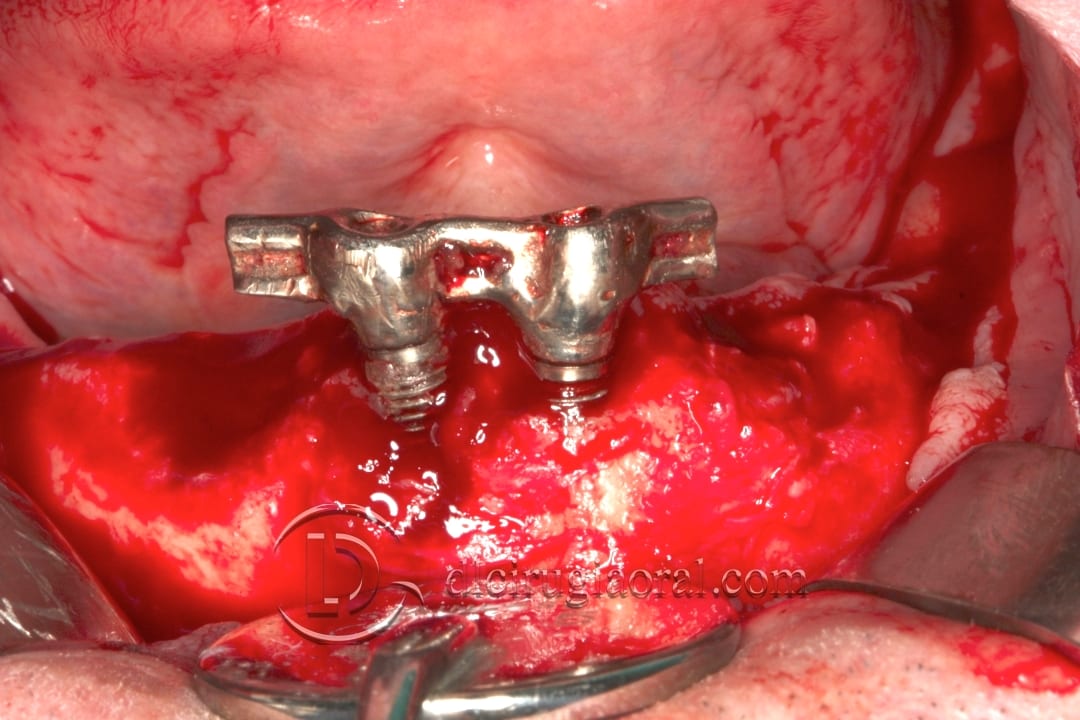
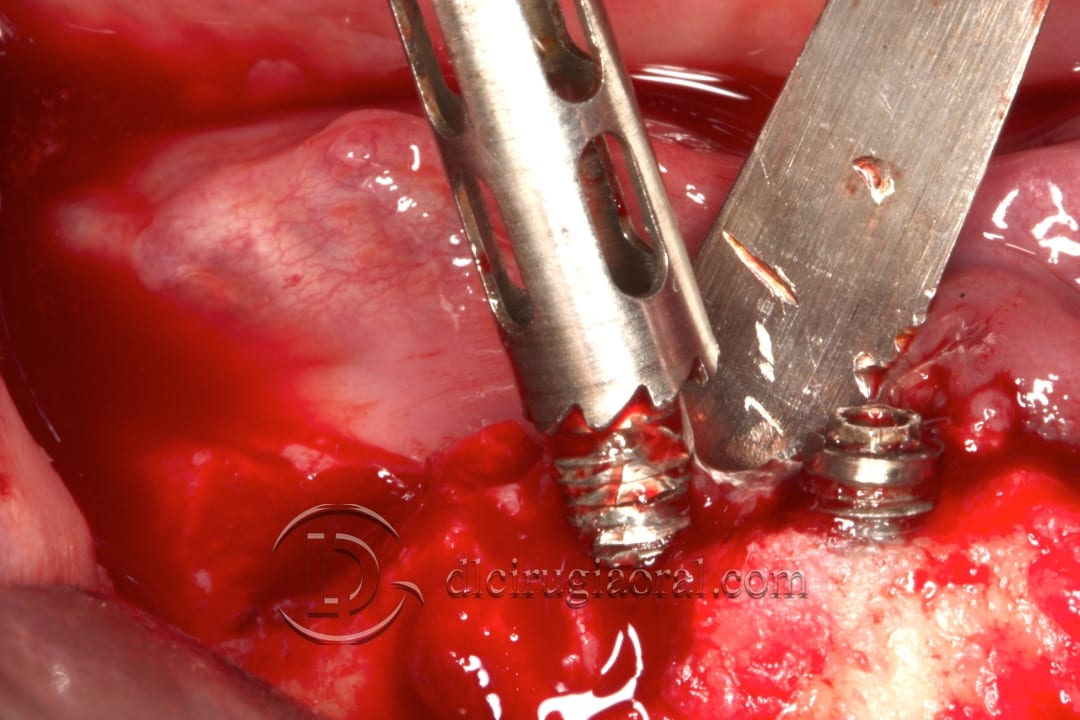
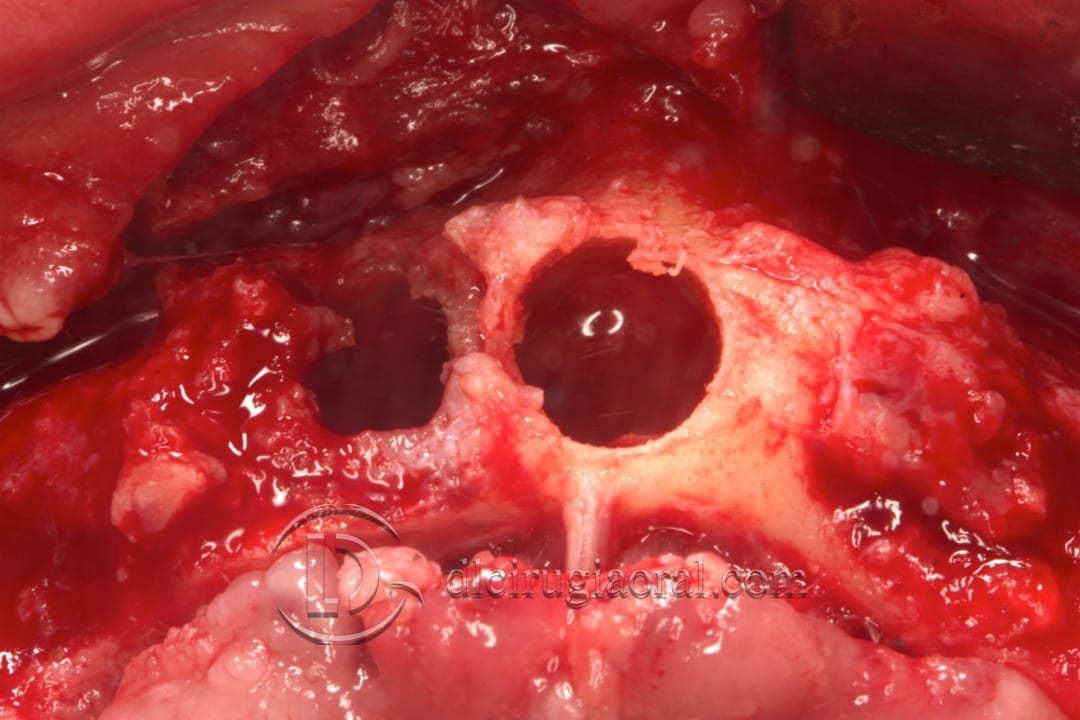
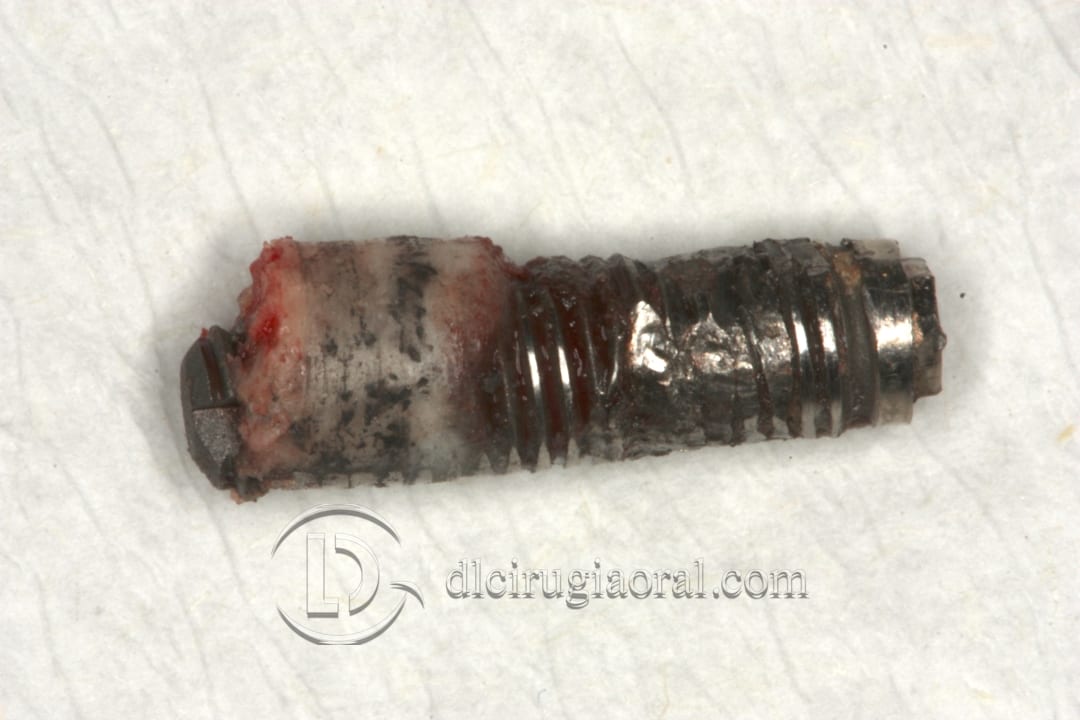
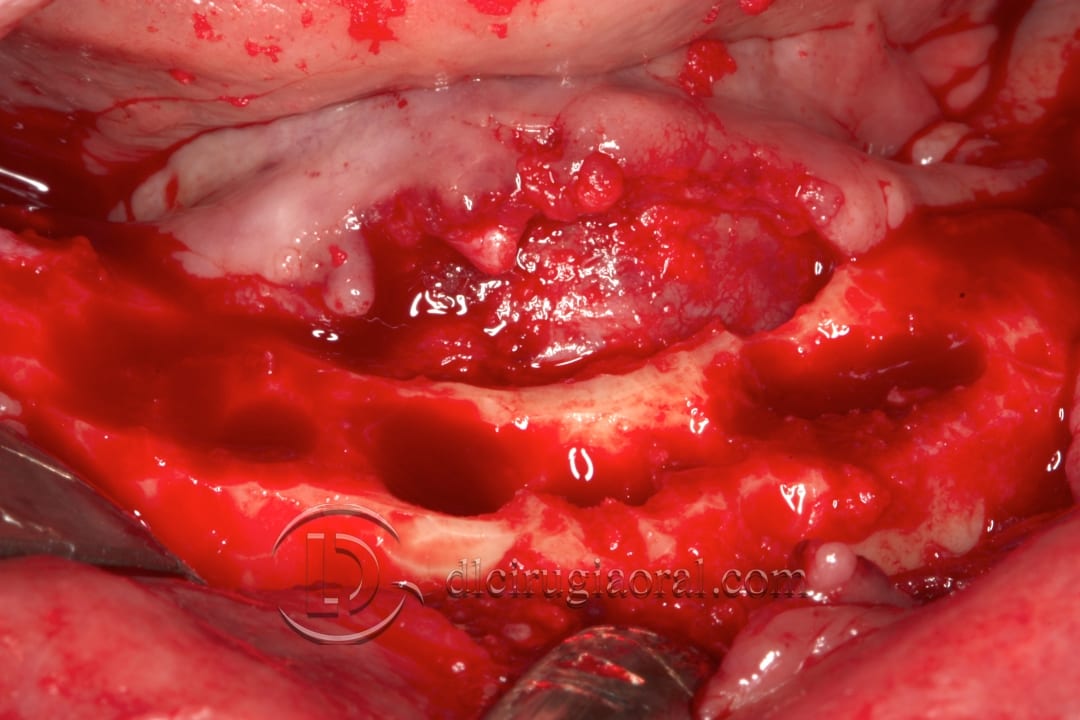
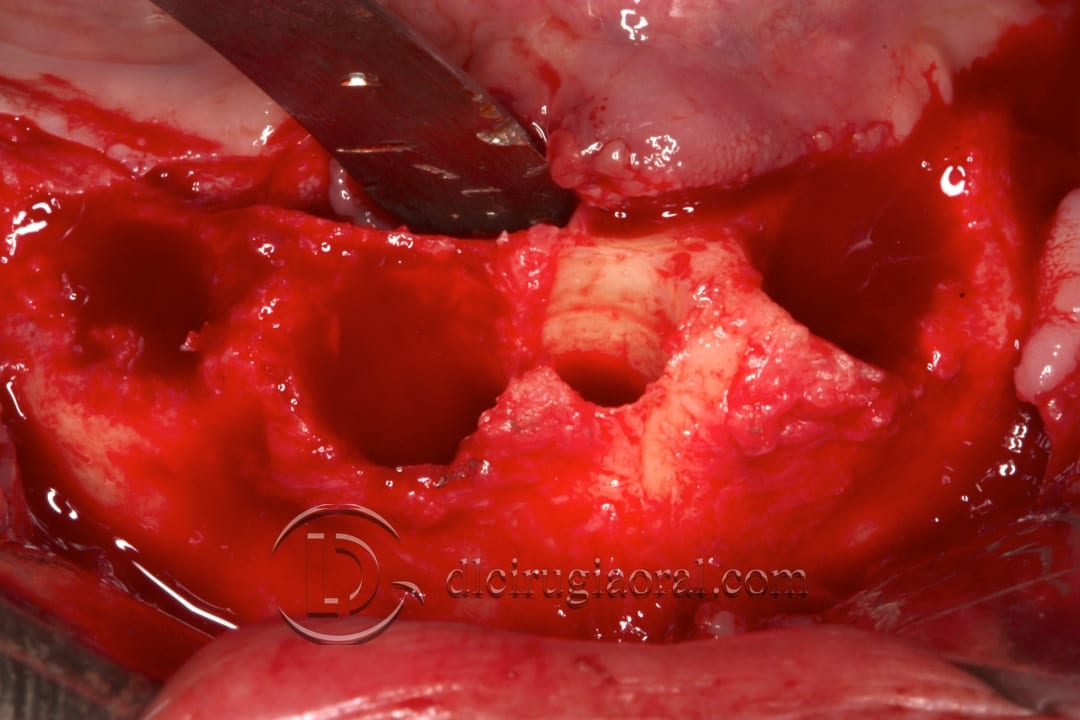
On surgery day, the patient reported spontaneous loss of the distal implants three weeks earlier. We performed a crestal incision and cleaned the implant sites. Using trephine burs, we carefully removed the remaining mesial implants.
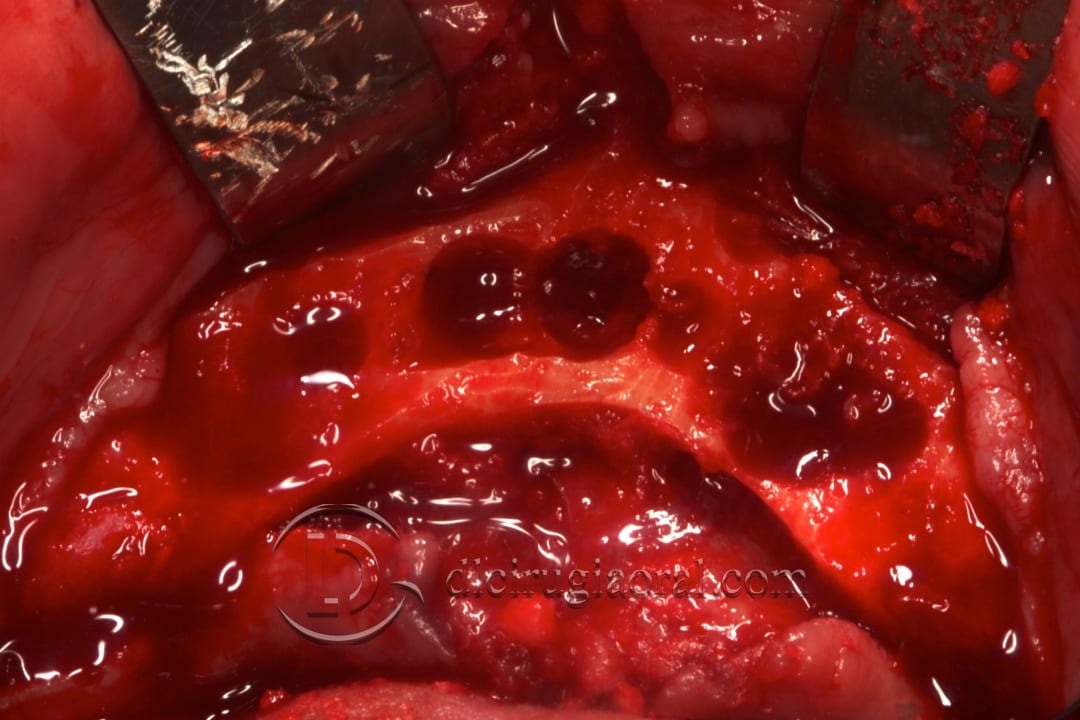
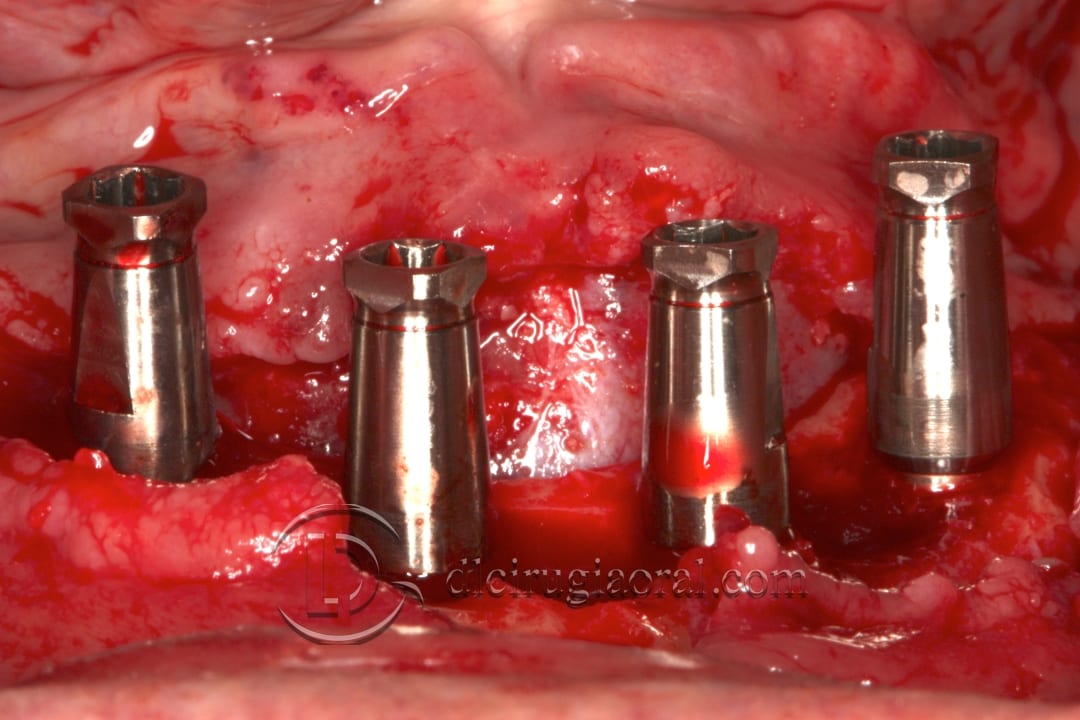
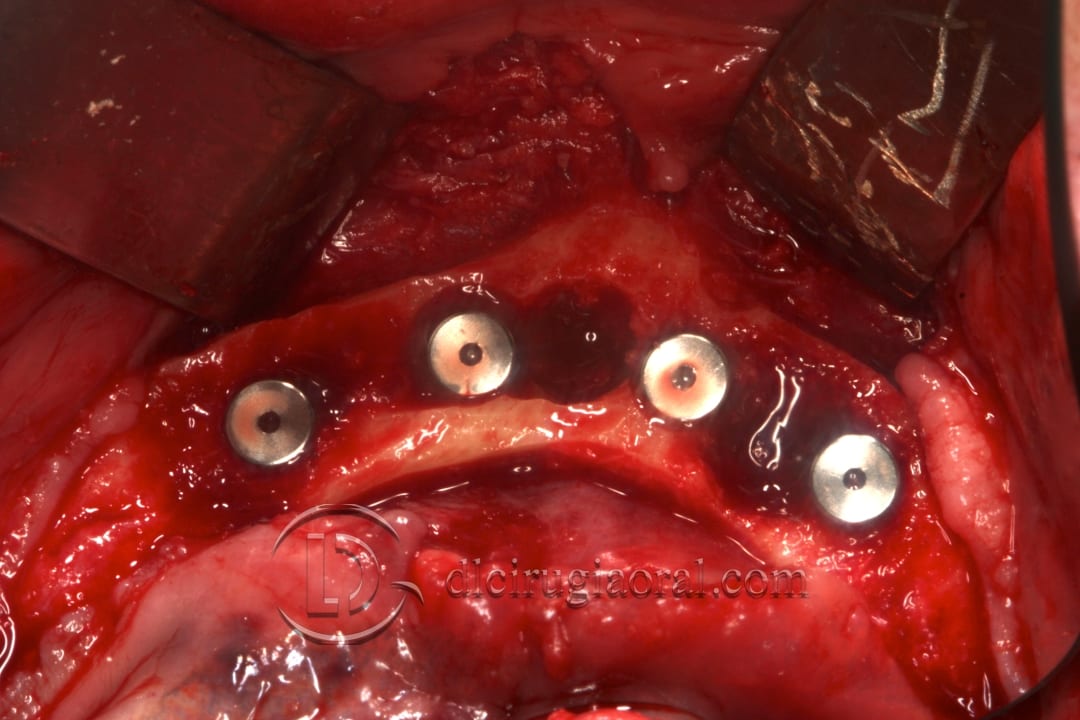
We inserted four new implants and packed particulate bone collected during the drilling process around each one. This helped enhance bone volume and support osseointegration.
Results and Follow-Up
At the three-month check-up, all implants showed solid bone integration. One minor complication occurred—slight exposure of implant 34. The second phase of the lower overdenture explantation and implantation case will address this with soft tissue grafting.
📎 View the next phase: soft tissue improvement