
Horizontal maxillary gain and implant placement – Clinical case
Dear colleagues,
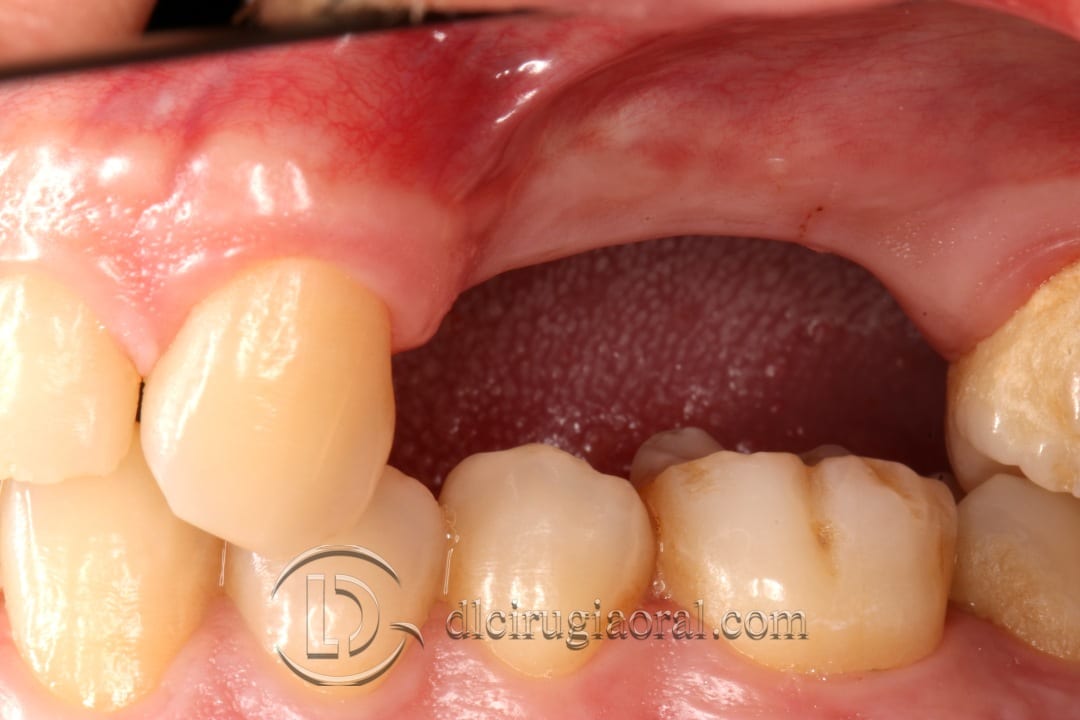
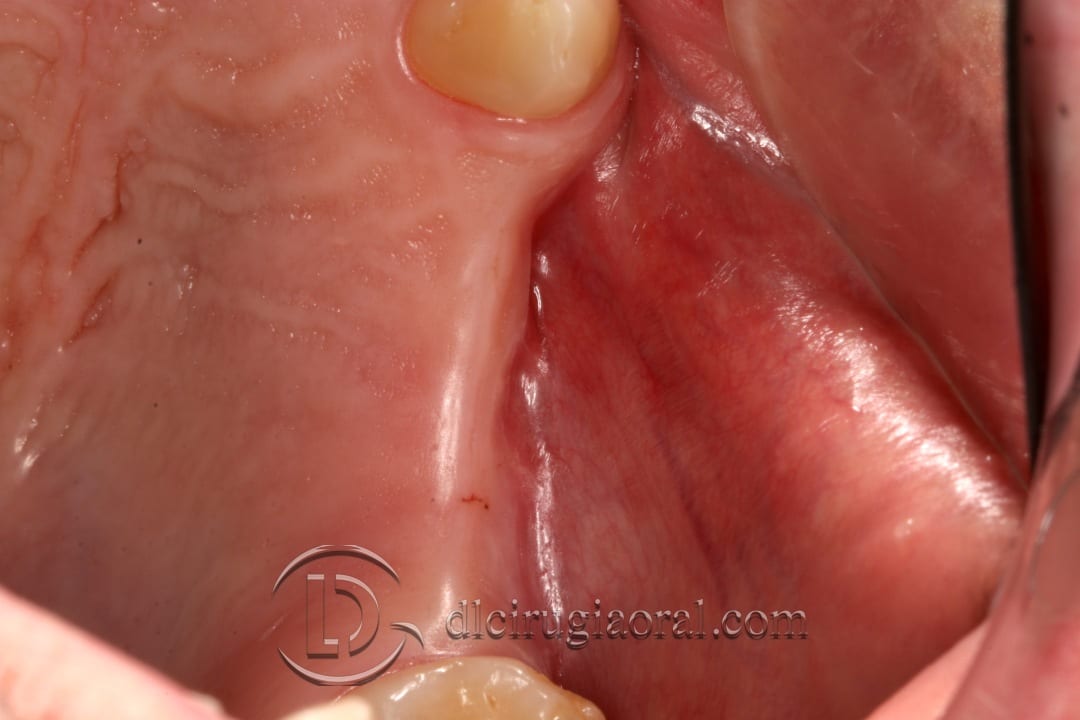
Today we present a case of horizontal maxillary gain and implant placement in a patient referred to us due to severe bone atrophy in the upper jaw. The patient had a long-standing partial edentulism, which led to a horizontal bone defect that made ideal implant positioning difficult.
Surgical approach for horizontal maxillary augmentation
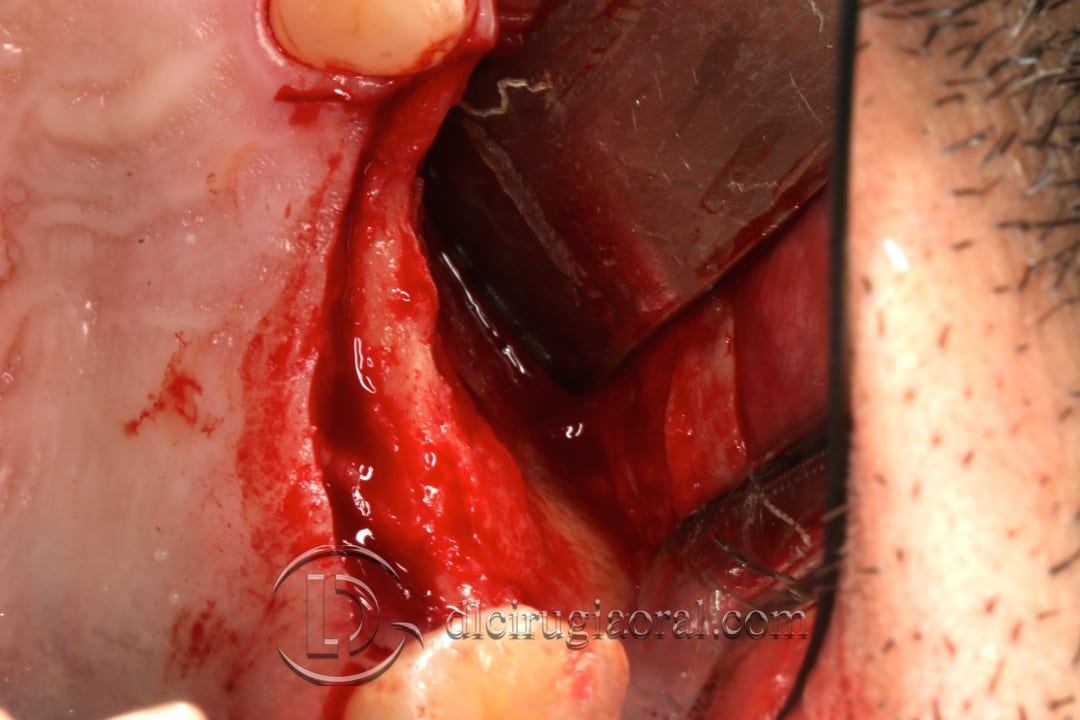
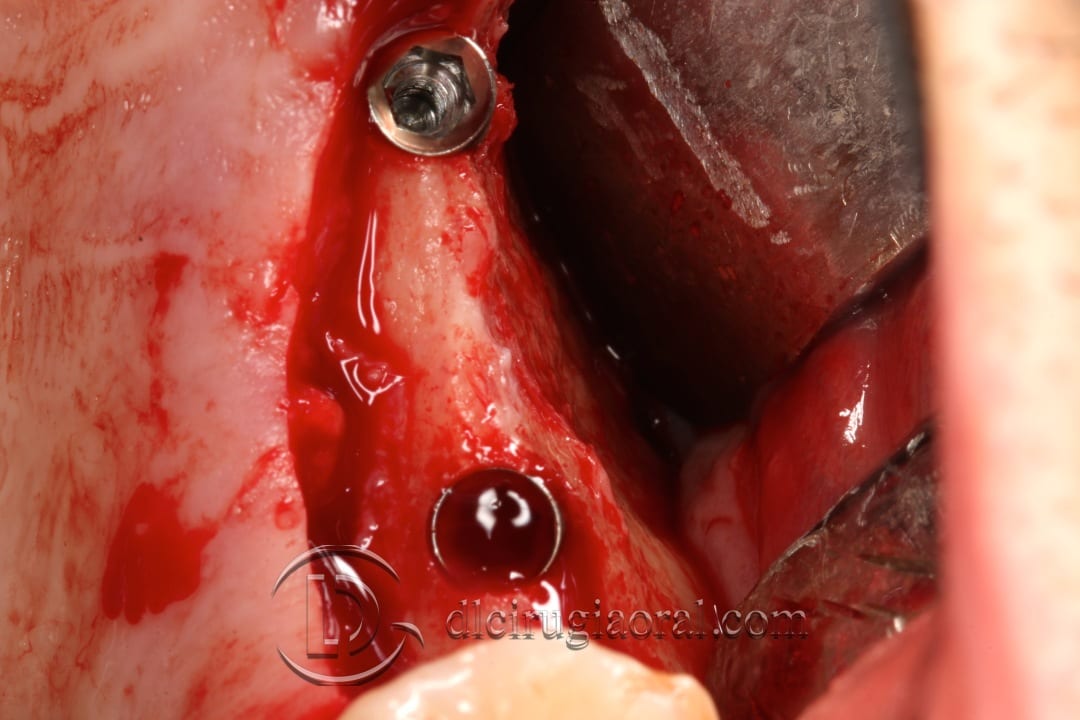
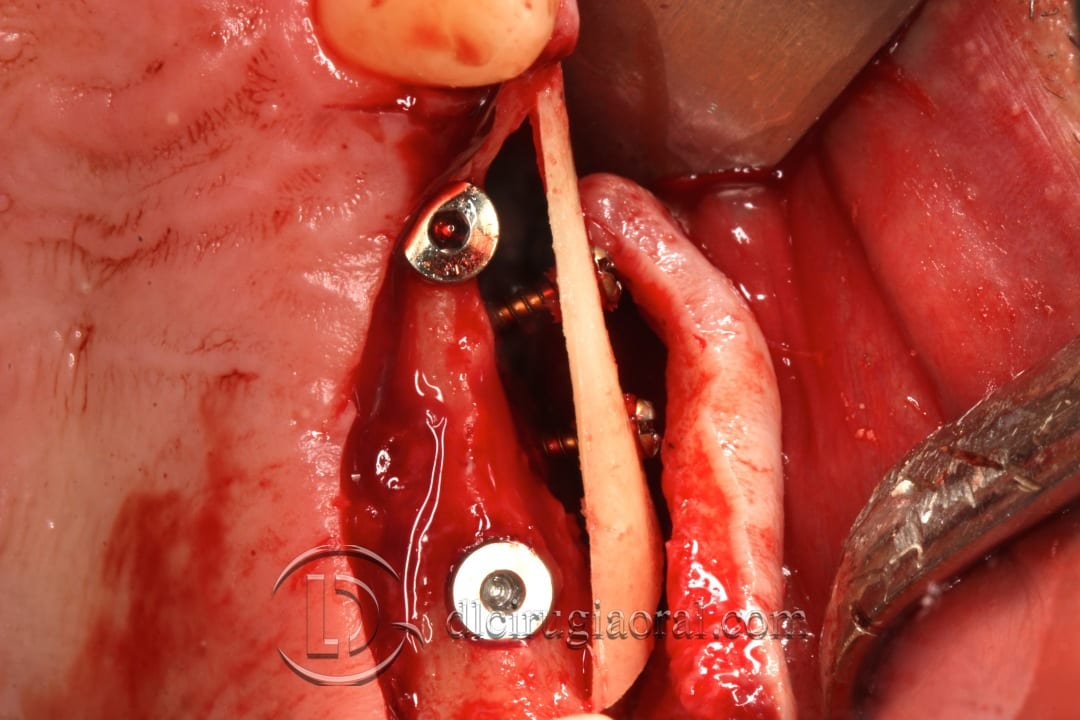
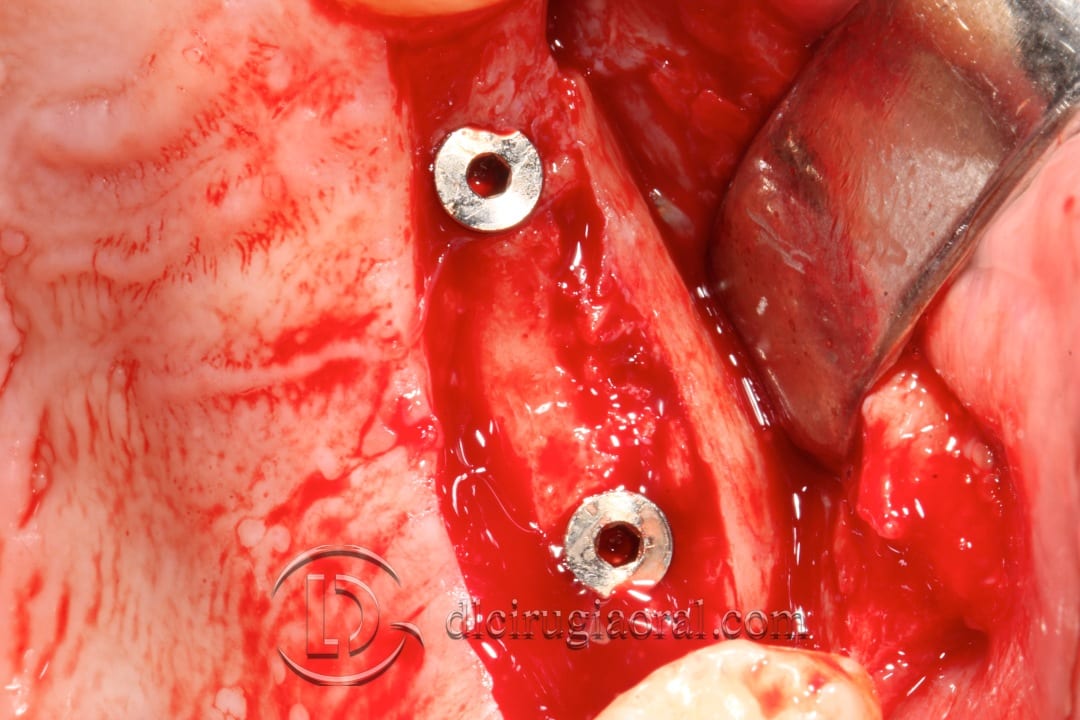
We began by raising a full-thickness mucoperiosteal flap to access the atrophic ridge. Once the site was exposed, we proceeded to place the implants in the ideal prosthetically guided positions.
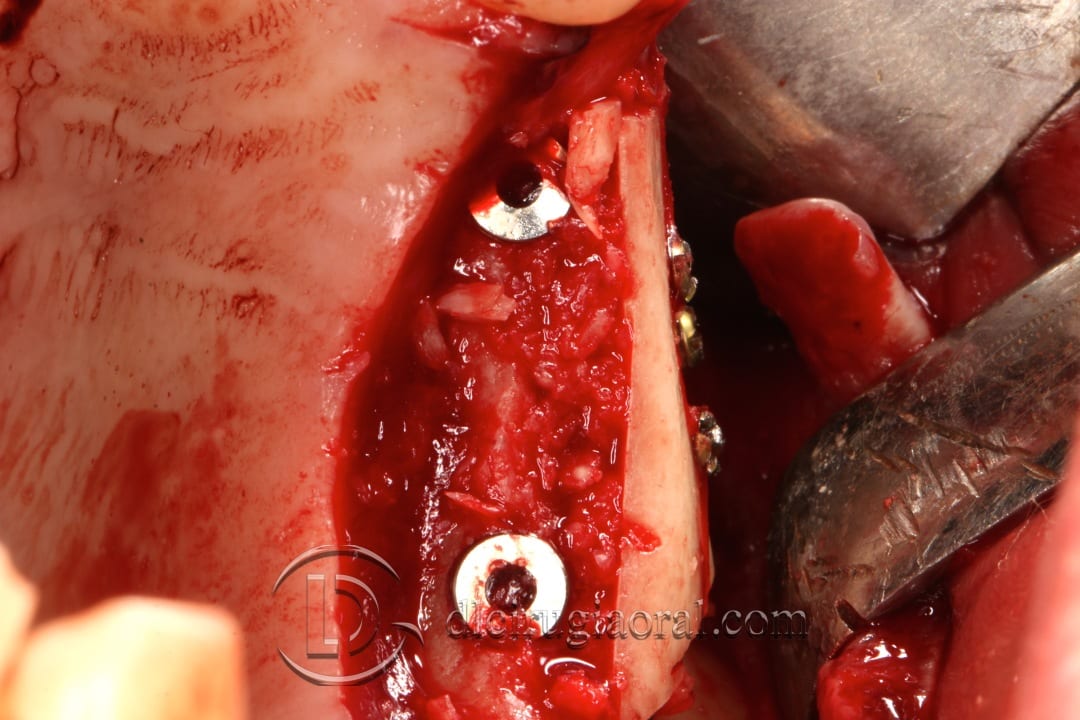
To compensate for the horizontal defect, we used autologous bone grafting following the laminar technique. Thin cortical plates were shaped to create a stable outer contour, and we filled the internal space with particulate bone harvested from the same donor area.
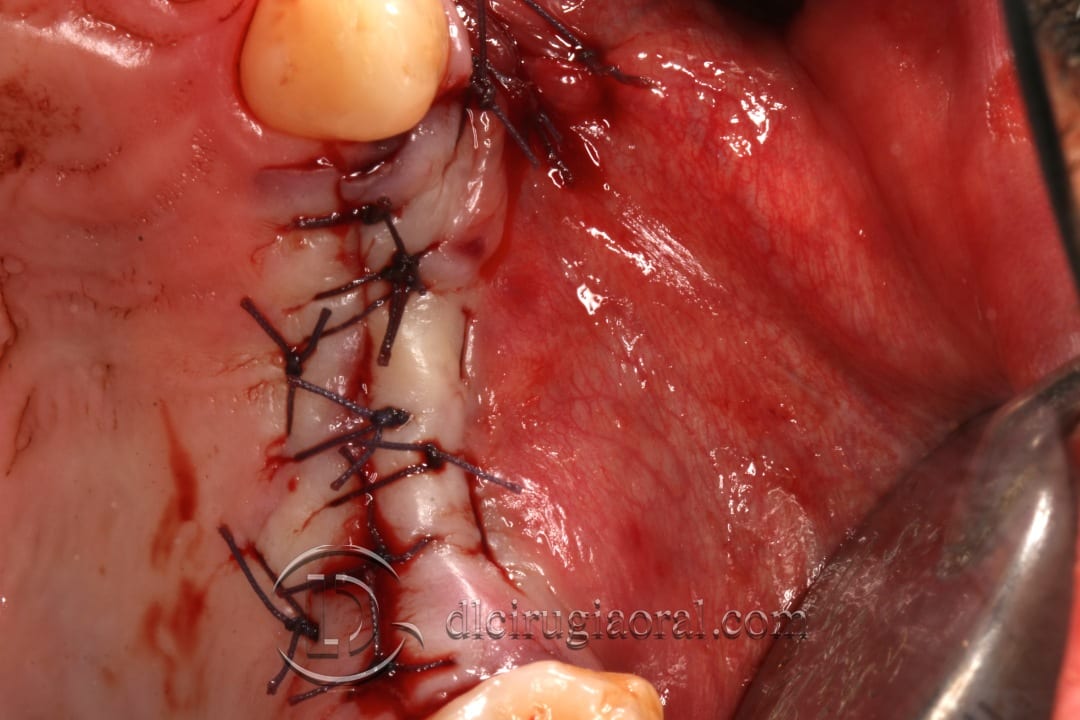
This technique allowed us to reconstruct the width of the ridge while preserving vascularity and minimizing soft tissue tension.
Follow-up and implant restoration
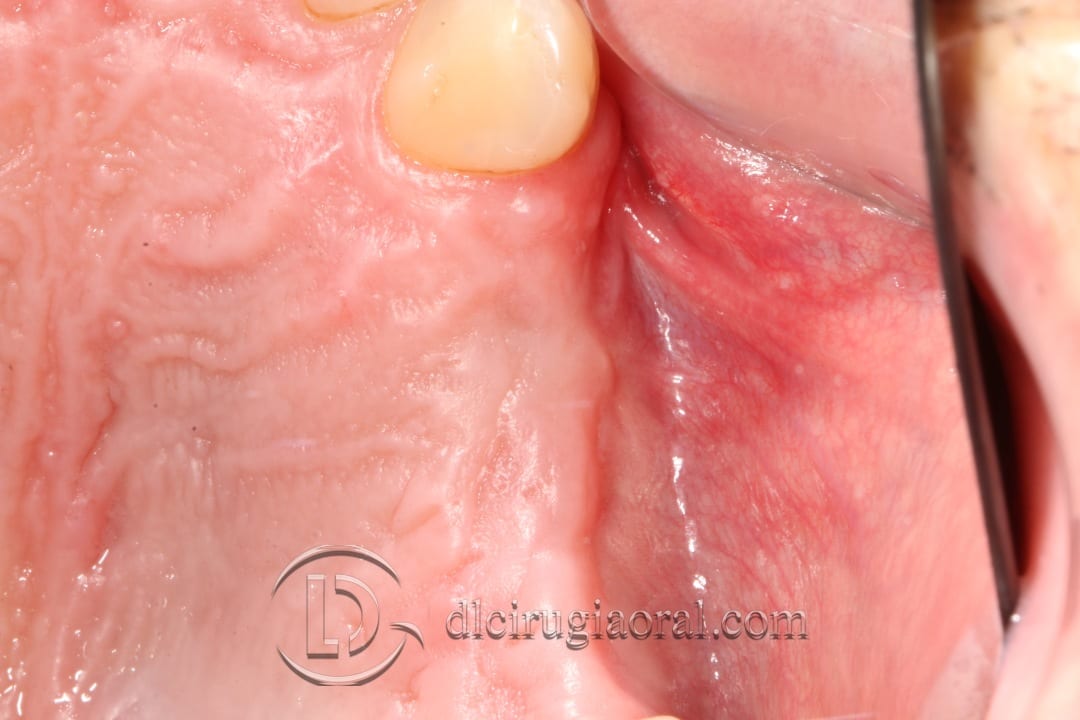
After a 4-month healing period, we performed the second-stage surgery. The graft remained stable, with adequate integration and sufficient bone around the implants.
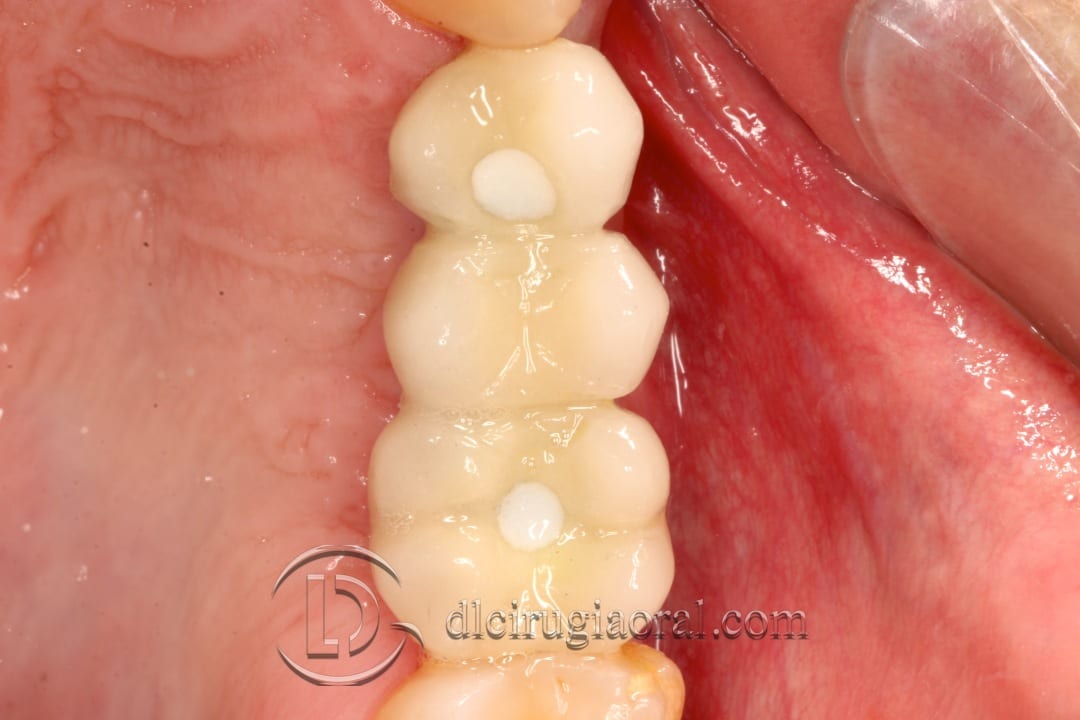
Our prosthodontist colleague, Dr. Diego Mariño, completed the case by delivering a functional and esthetic fixed prosthesis, adapted to the reconstructed ridge.
See more horizontal augmentation cases
📎 If you’d like to see additional examples of horizontal maxillary gain and implant placement, visit our clinical case archive, where we share techniques, outcomes, and follow-up images.
We hope this case helps you in planning similar treatments involving horizontal ridge augmentation. Feel free to browse the photos below for a full view of the procedure and result.
Visit our academy!