Implant Surgery in the Mandible After 9mm Vertical Reconstruction
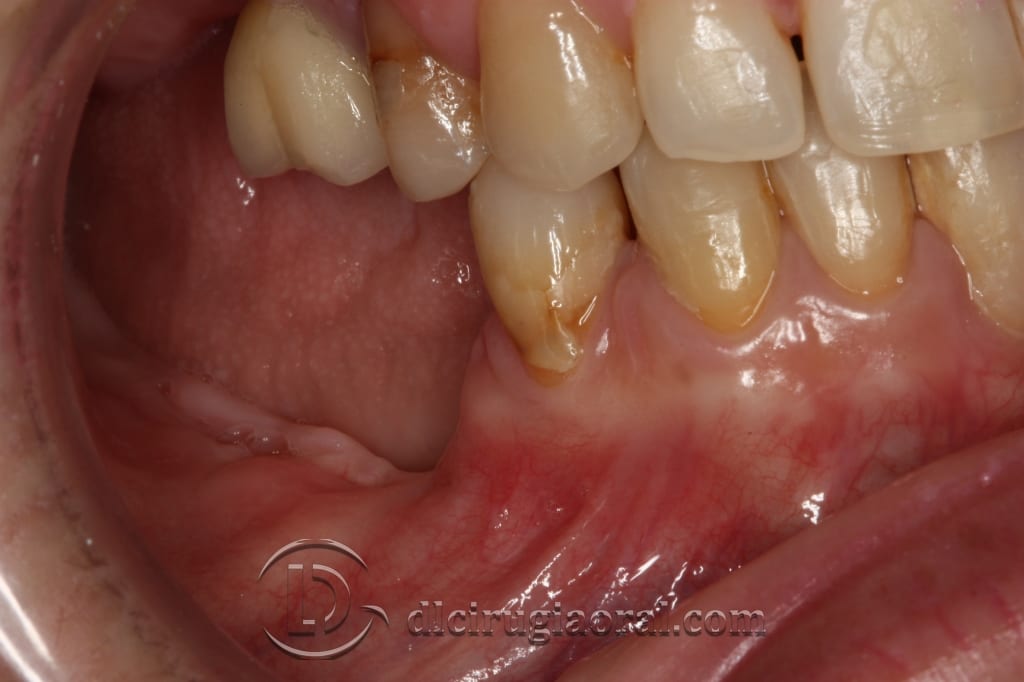
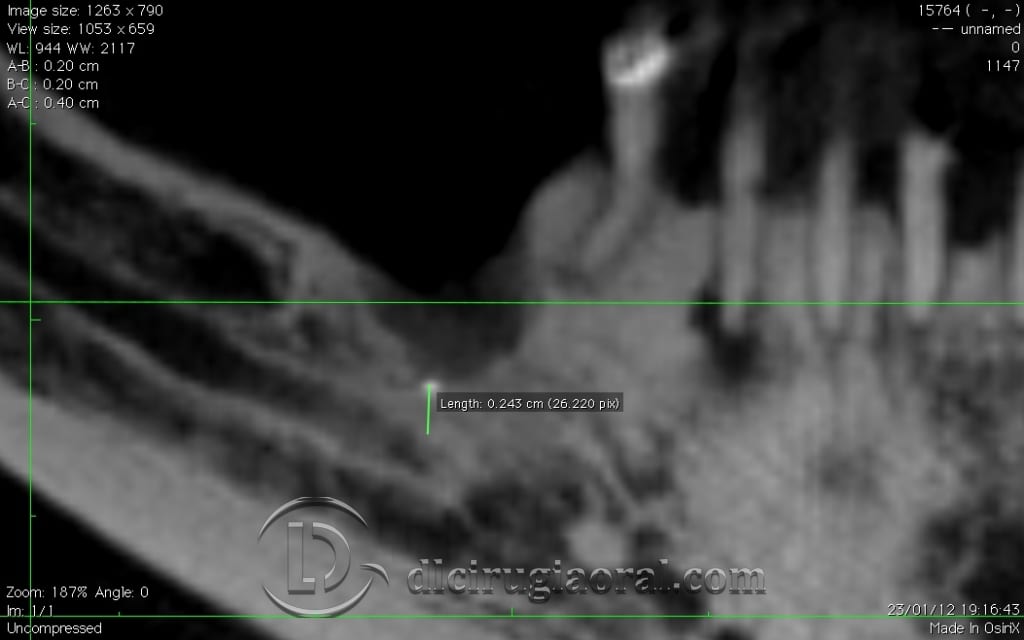
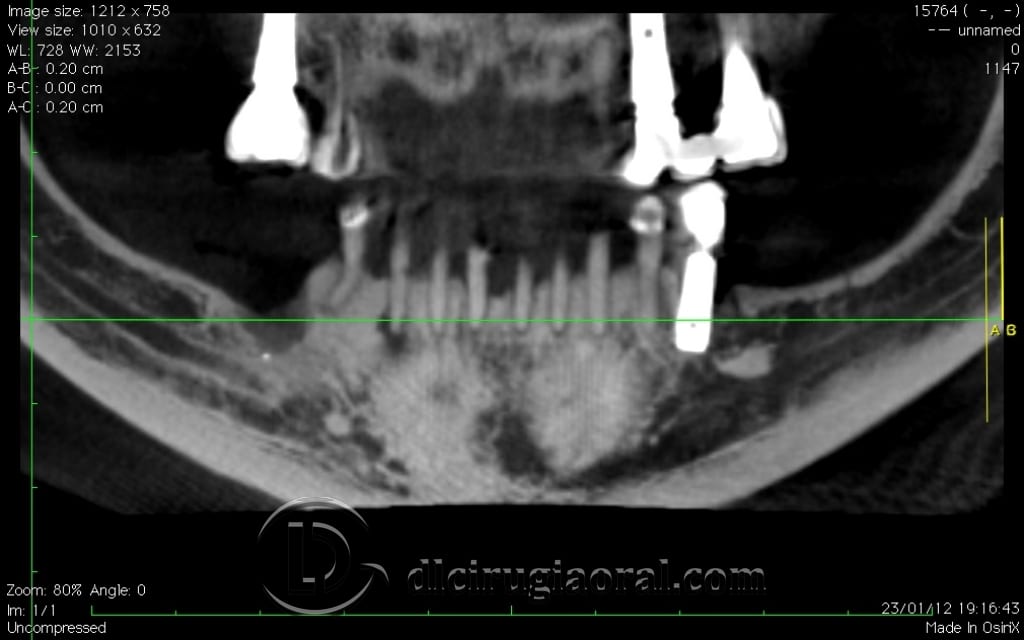
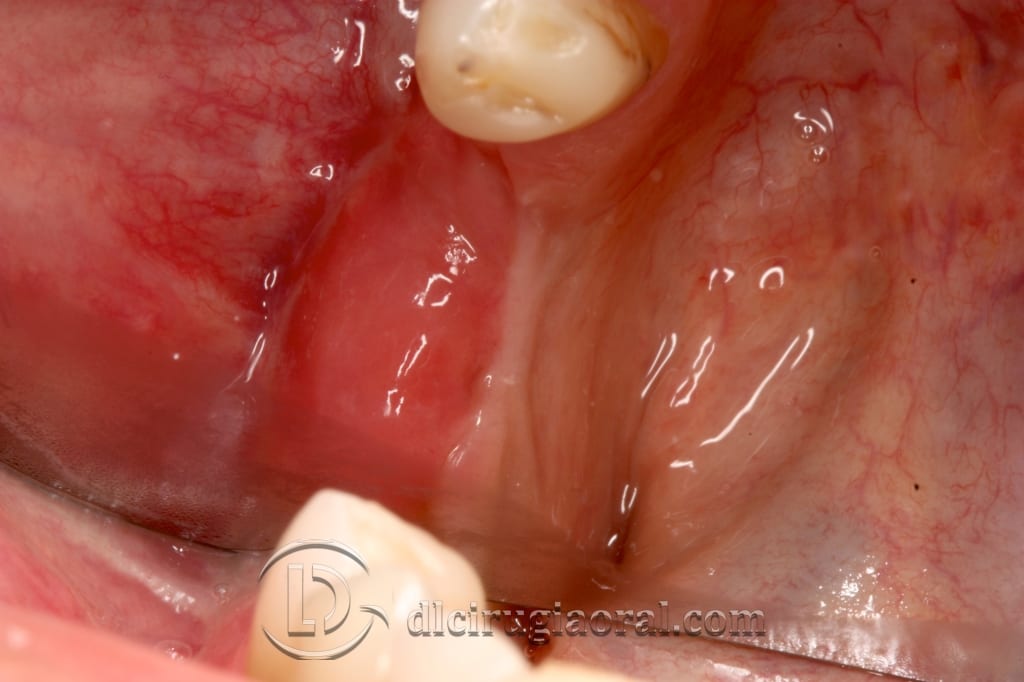
This case demonstrates successful implant surgery in the mandible after achieving a vertical bone gain of 9 mm. One year earlier, we reconstructed a posterior mandibular defect that had only 2.4 mm of residual bone above the nerve.
📎 Review the full grafting case here
From Grafting to Stable Implant Placement
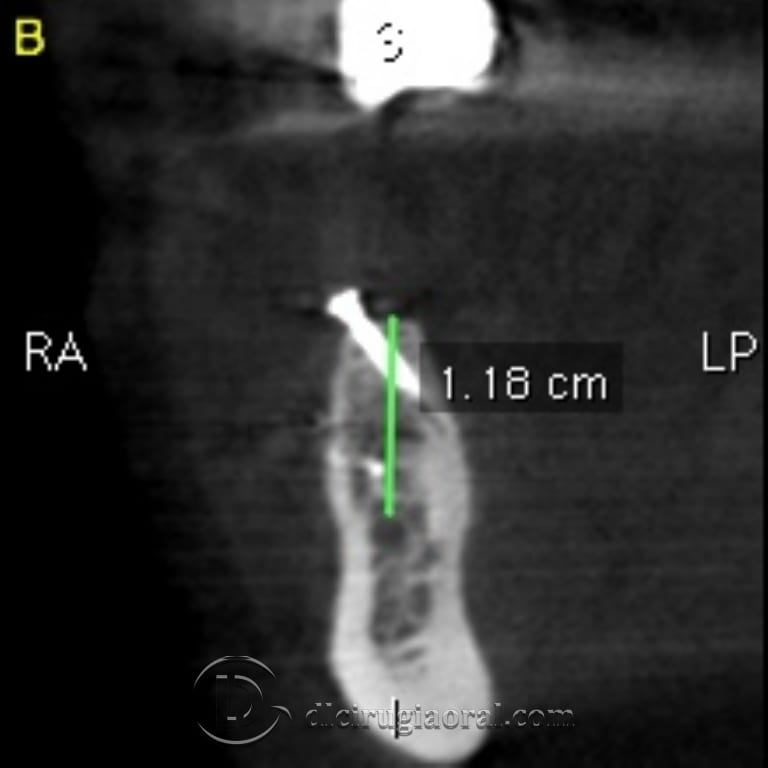
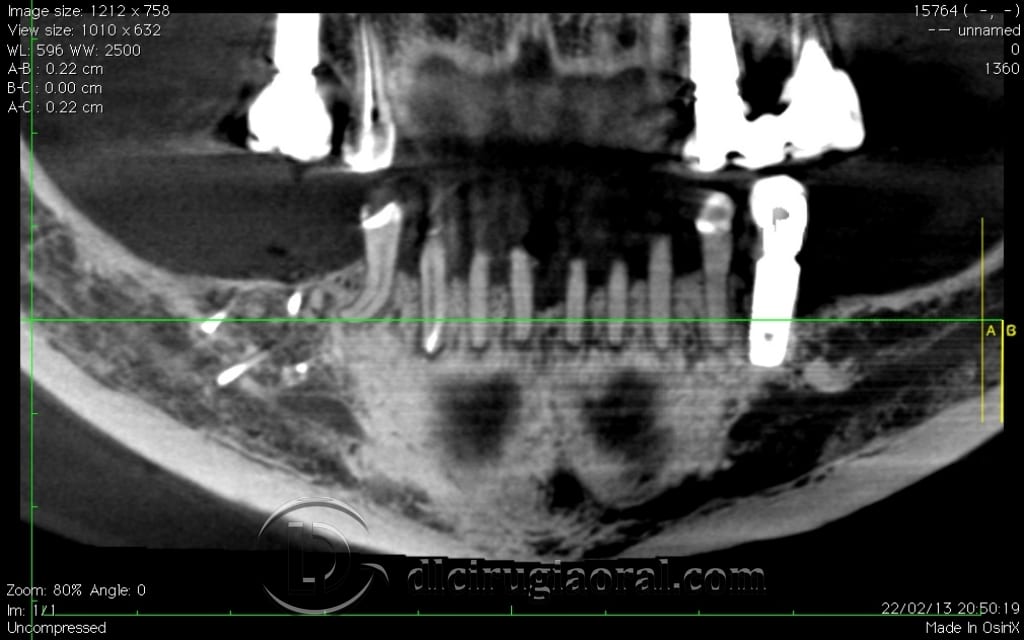
The patient became pregnant shortly after the initial graft. She returned one year later to continue treatment. A new CBCT showed 11.8 mm of bone height, confirming the success of the graft.
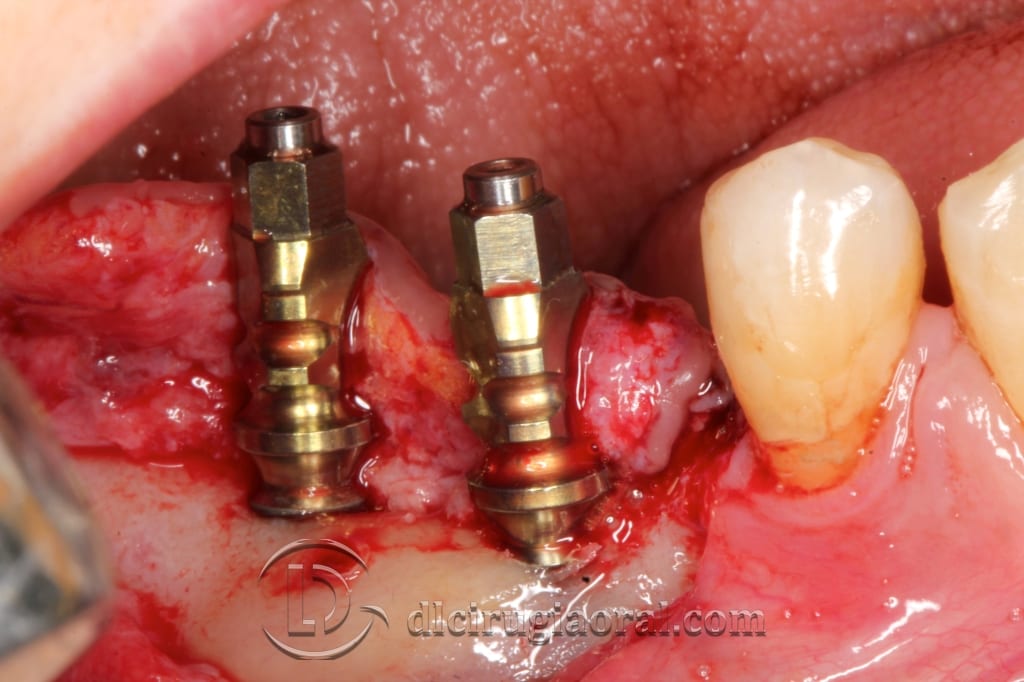
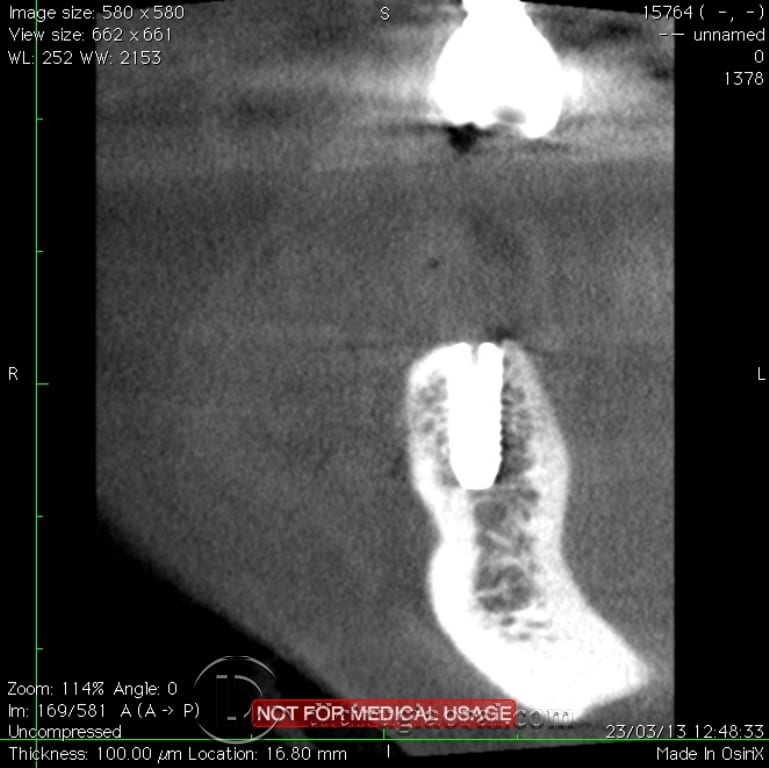
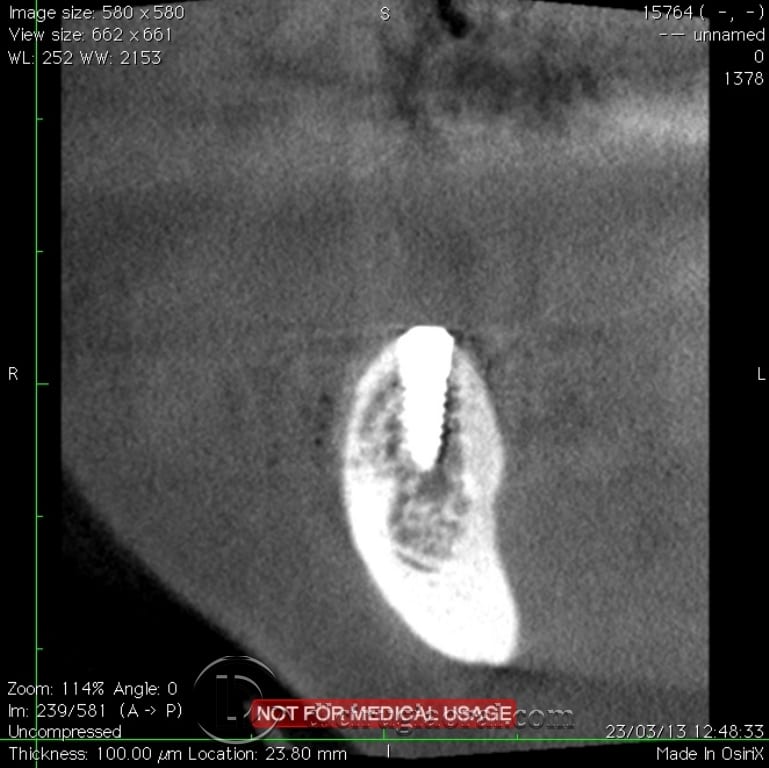
This gain allowed us to proceed with the placement of two 10 mm implants—well within safe parameters for implant stability and nerve distance.
Vestibuloplasty and Access to Grafted Bone
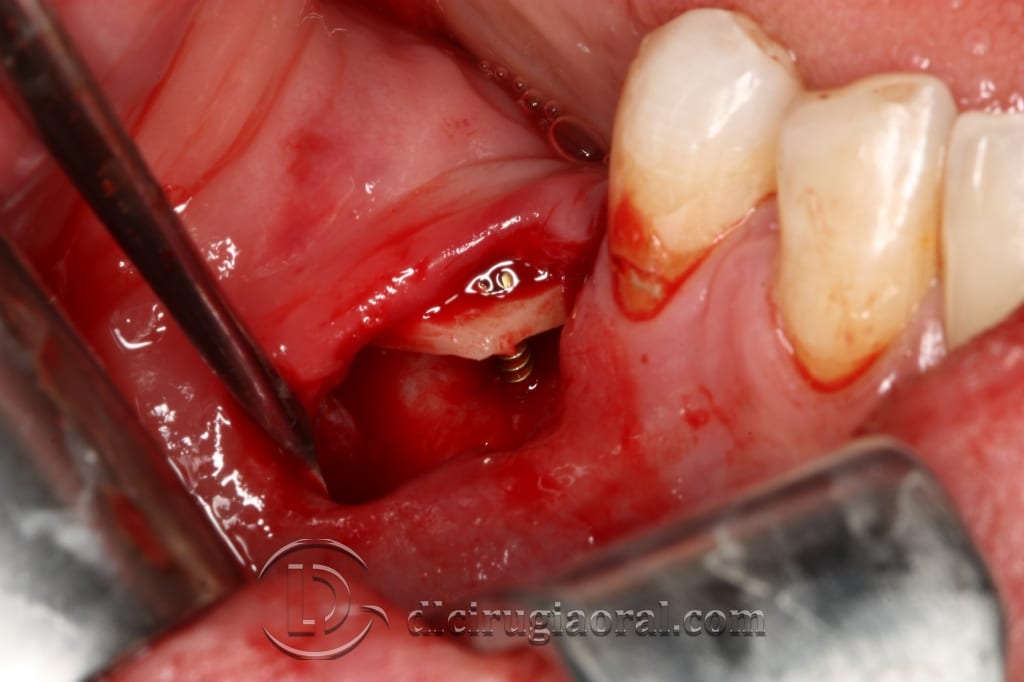
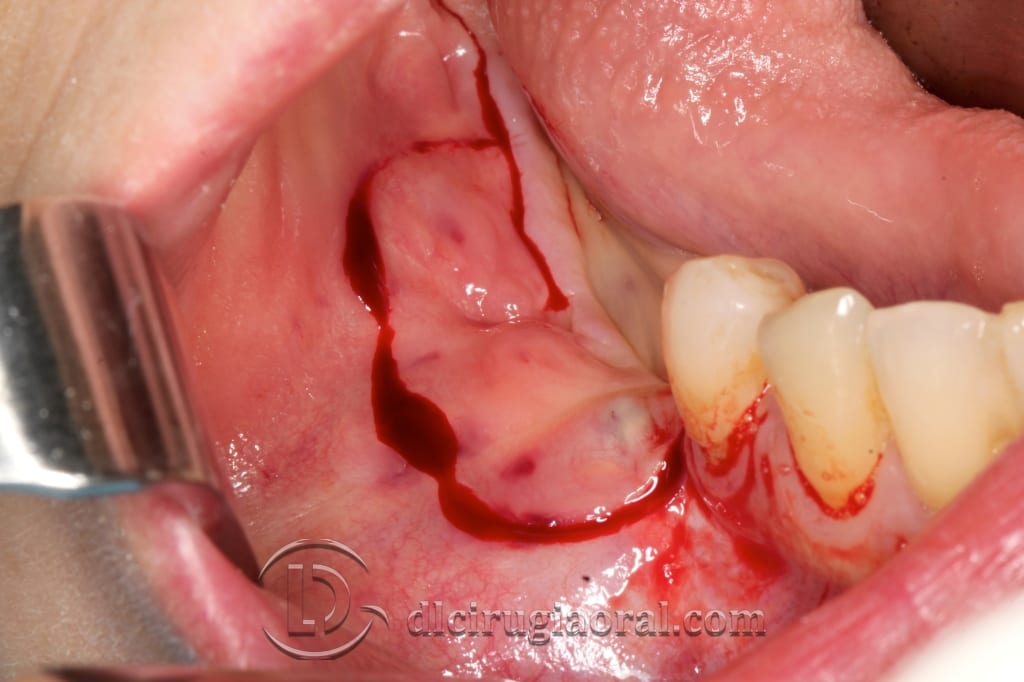
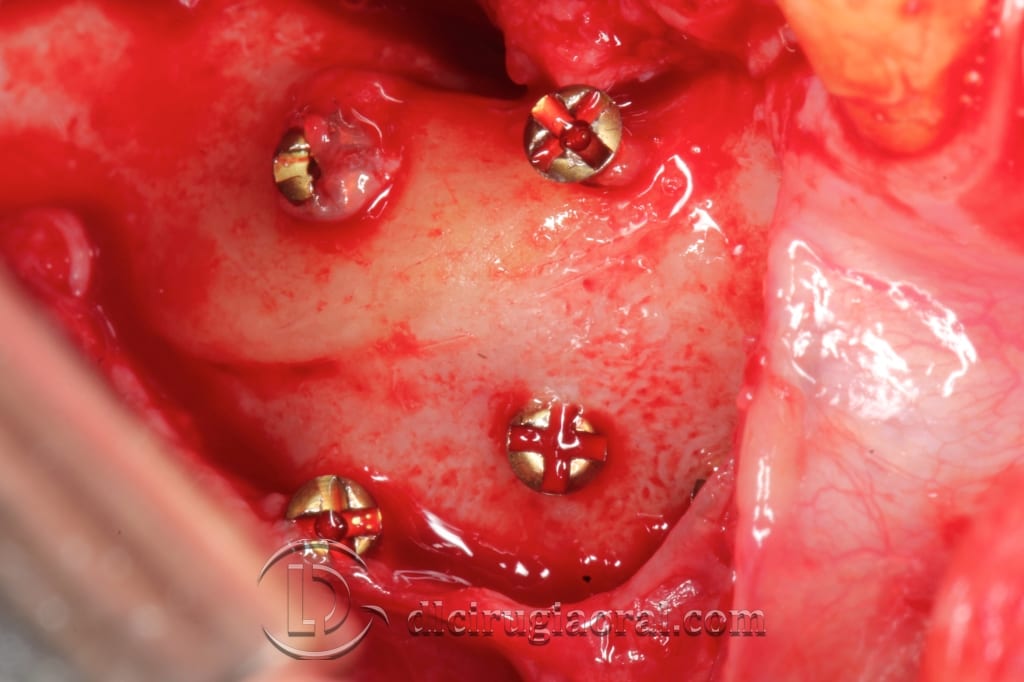
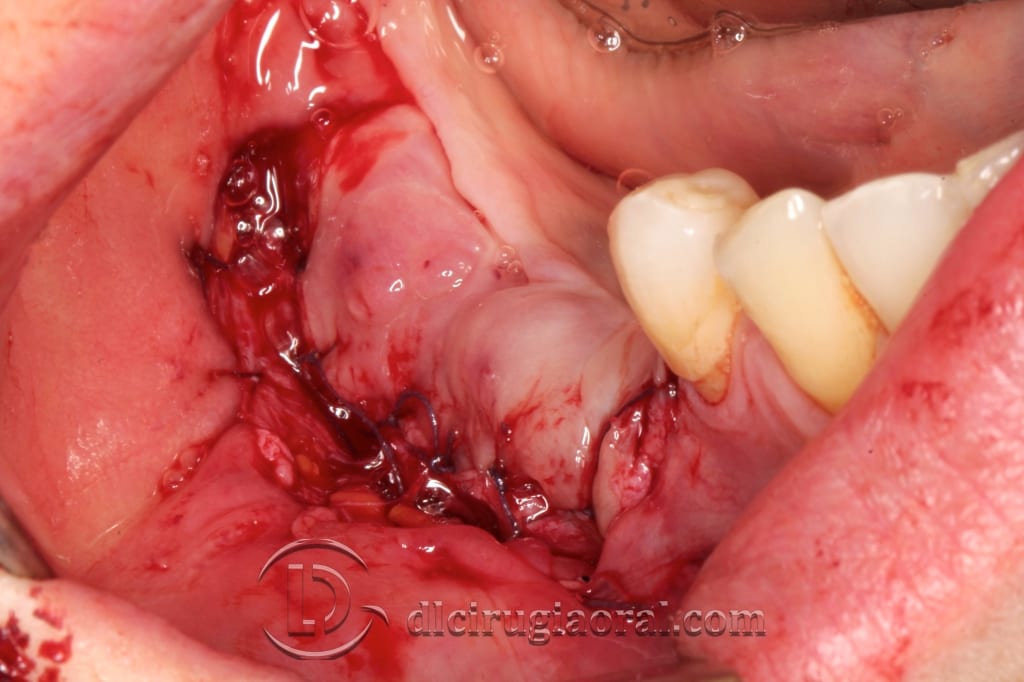
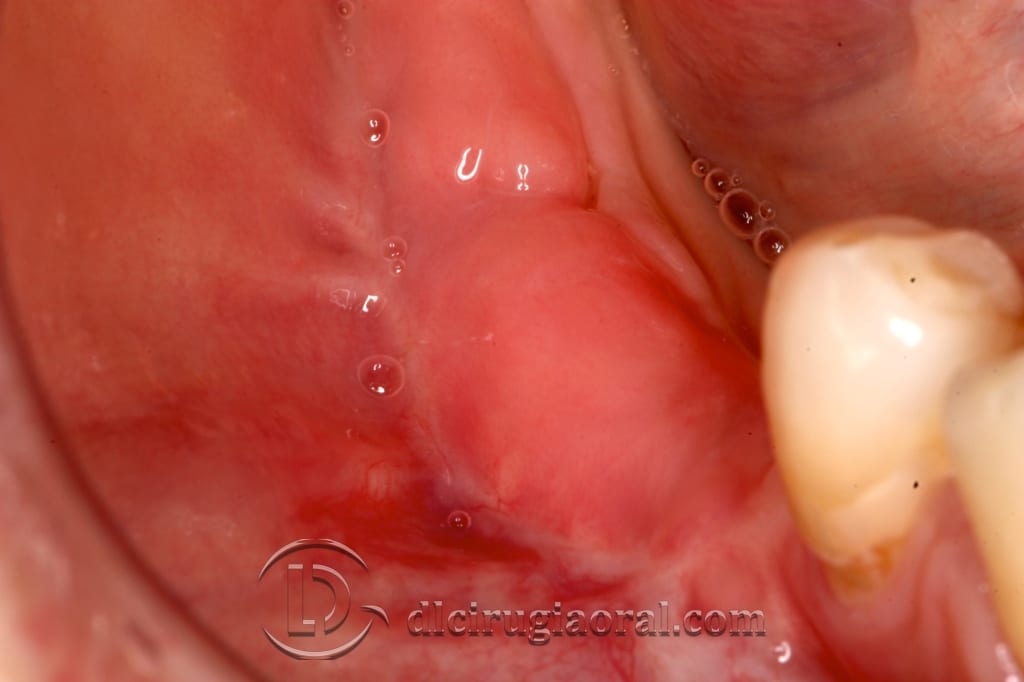
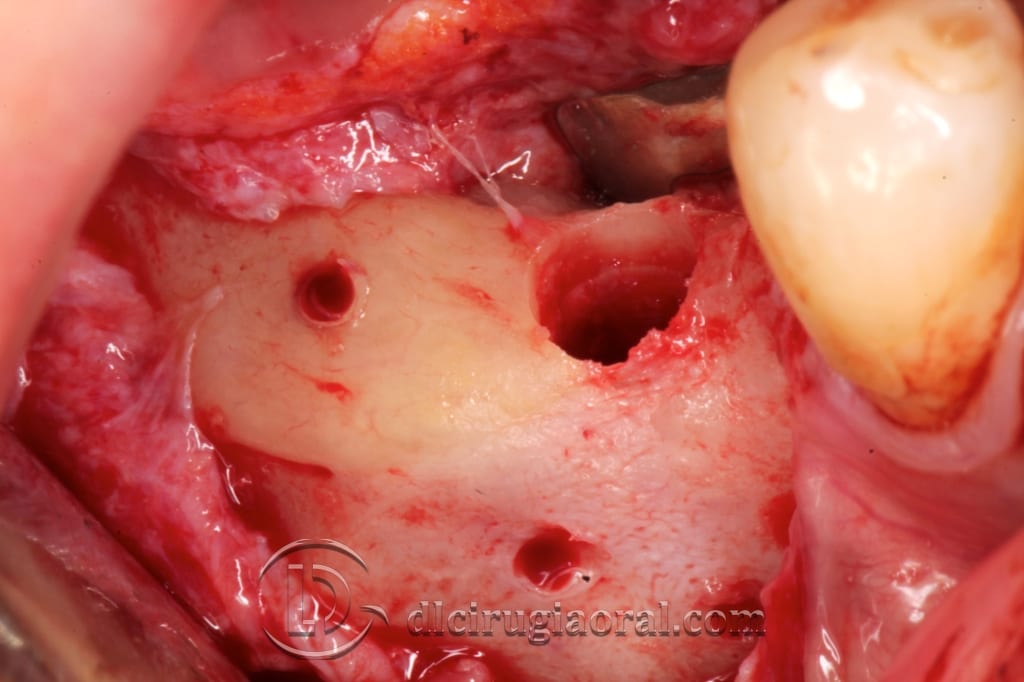
We performed a Kazanjian vestibuloplasty, which helped us gain attached mucosa and access the graft without full flap elevation. Once we reached the site, the screws were still in place and showed minimal reabsorption.
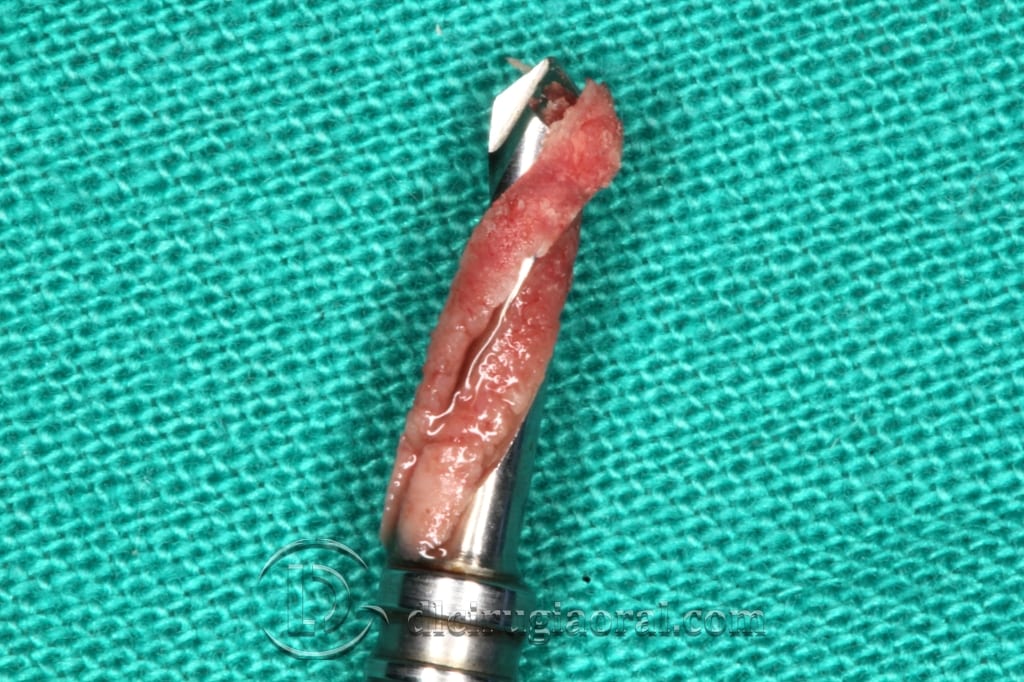
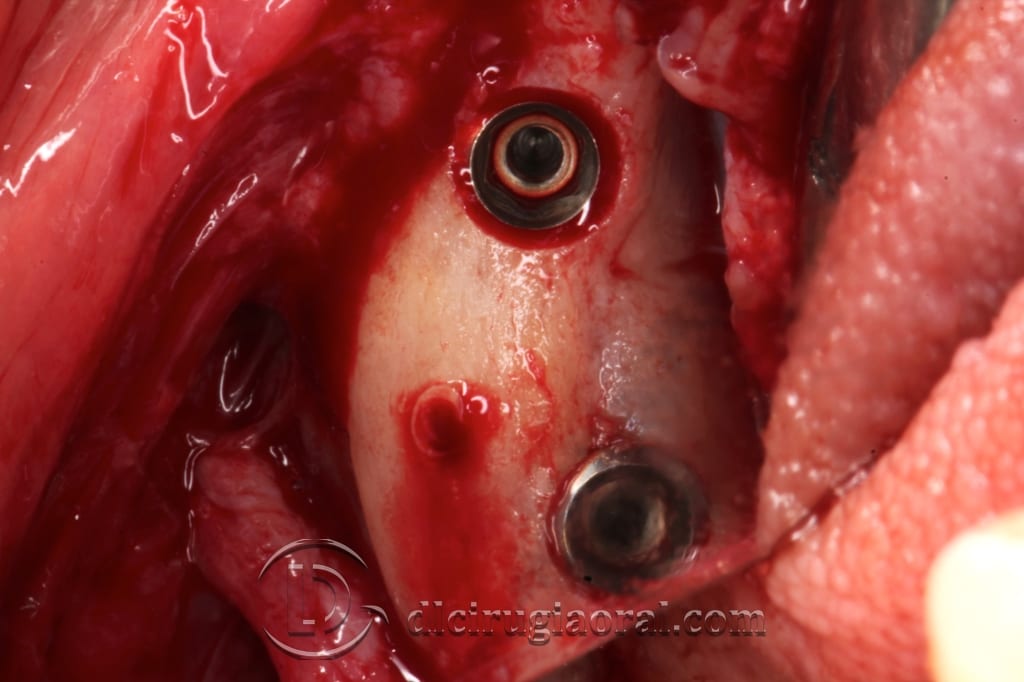
The grafted bone appeared vascularized and firm. We measured to confirm no implant threads would be exposed. After drilling, we placed the implants with excellent primary stability and then sutured the site securely.
📎 Kazanjian technique explained in literature – PubMed
Follow-Up Results and Surgical Outcome
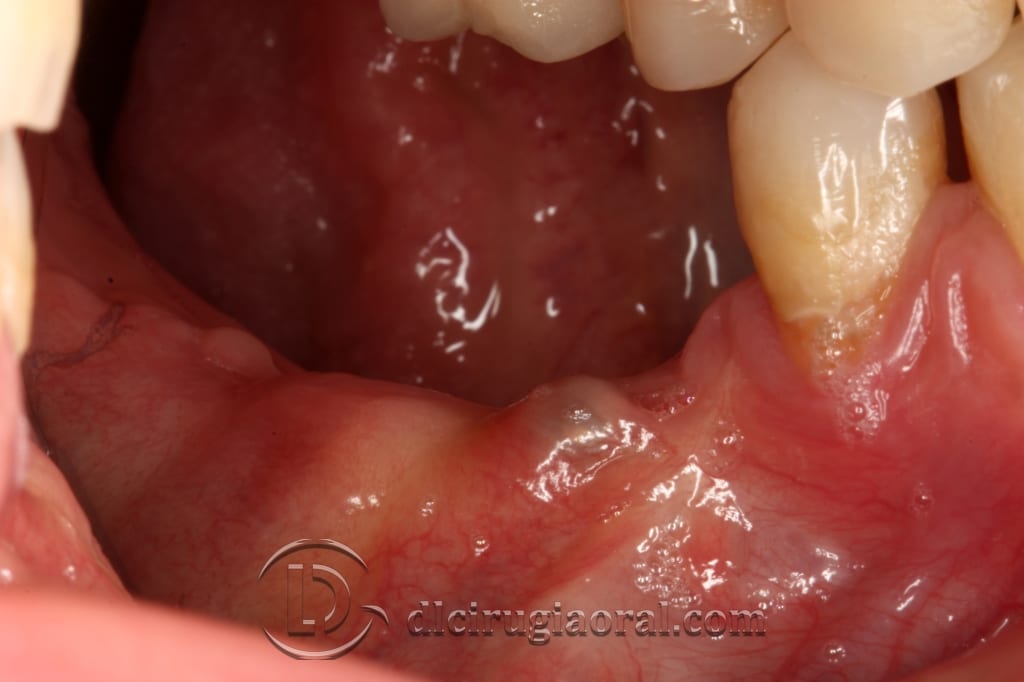
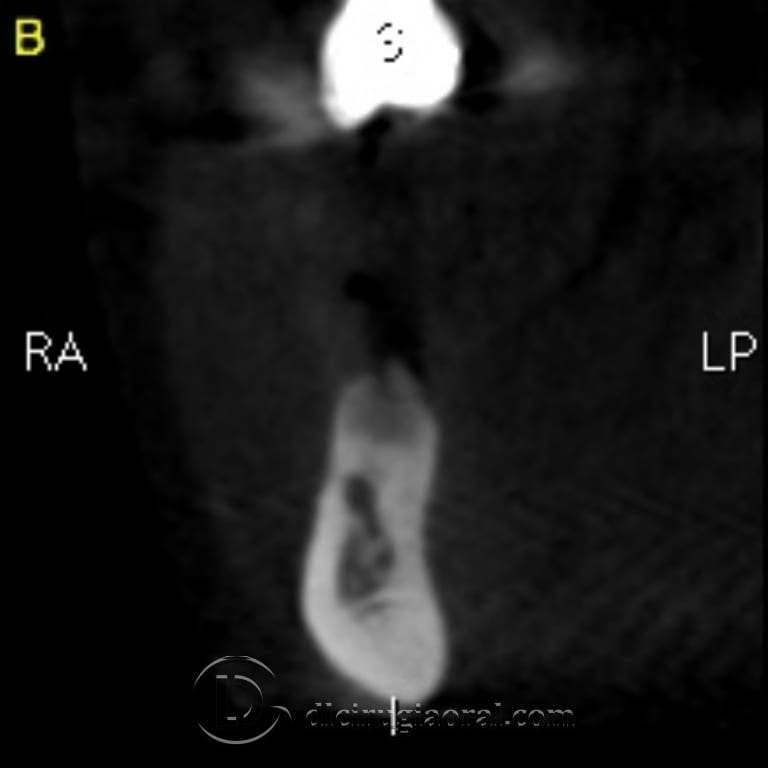
Tomographic slices clearly show the evolution: from severe vertical atrophy to full graft healing and successful implant surgery in the mandible.
Thanks to vestibuloplasty, we also preserved a band of attached gingiva, which plays a vital role in long-term implant success.
🔗 See more surgical cases and grafting procedures