Vertical bone augmentation with the Khoury technique and tunnel approach
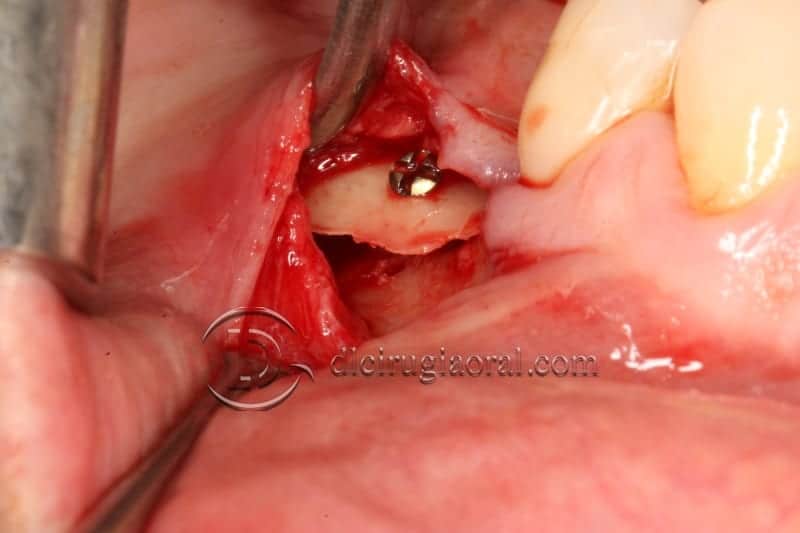
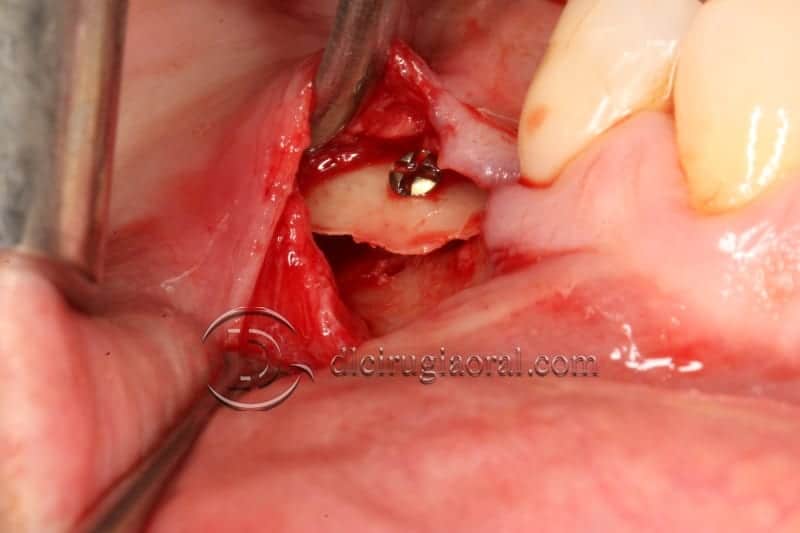
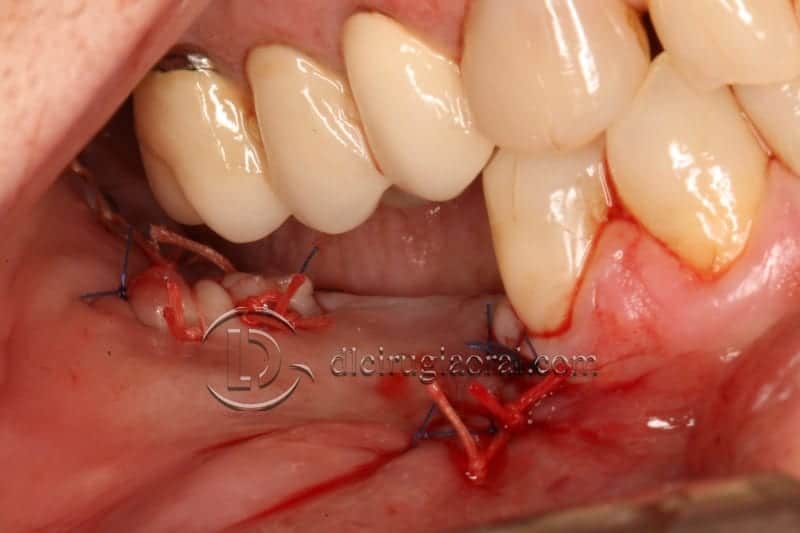
This case presents a clear example of vertical bone augmentation with the Khoury technique, using a tunnel approach to reduce soft tissue trauma and enhance graft integration.
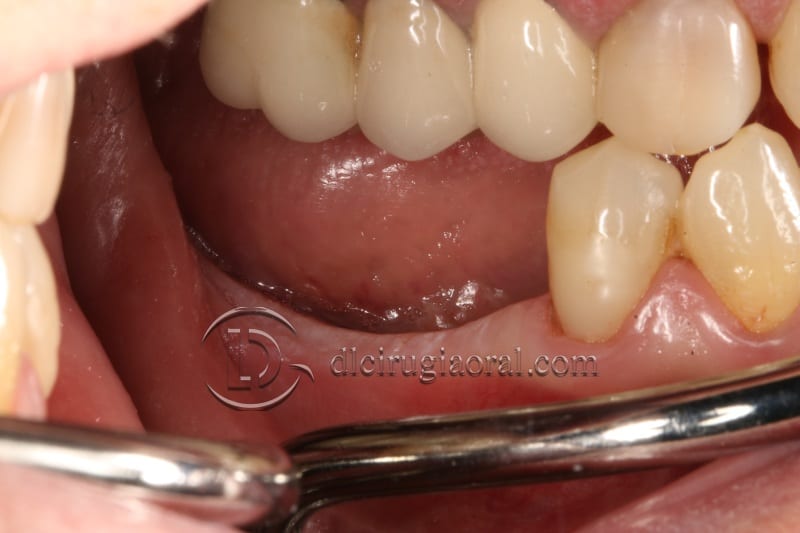
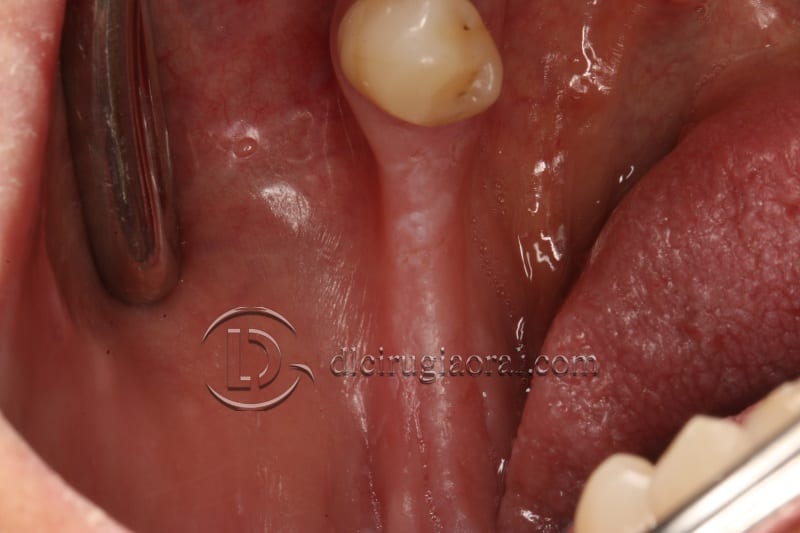
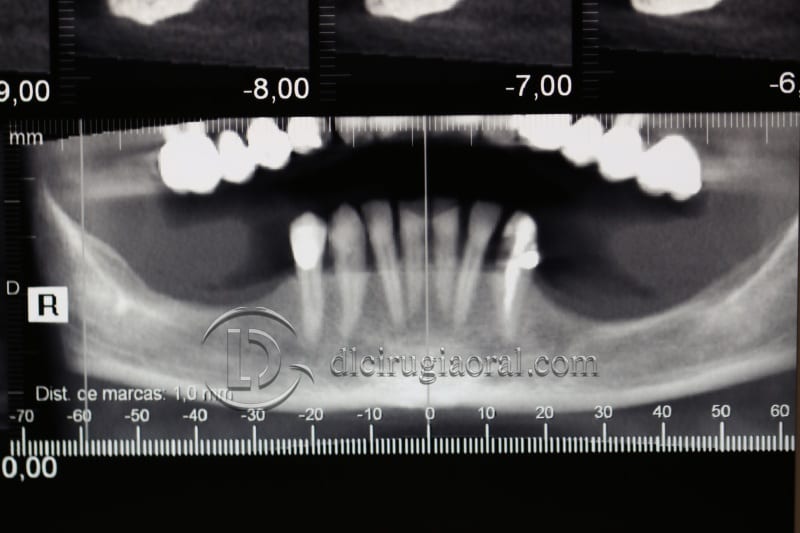
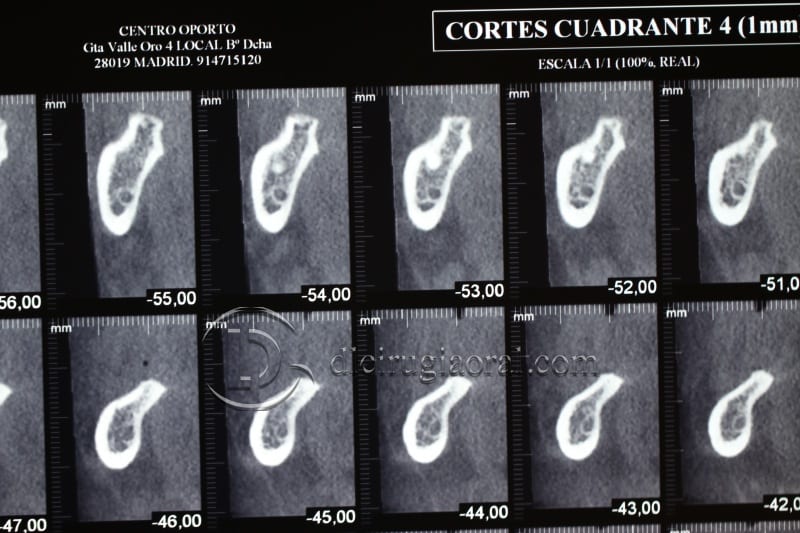
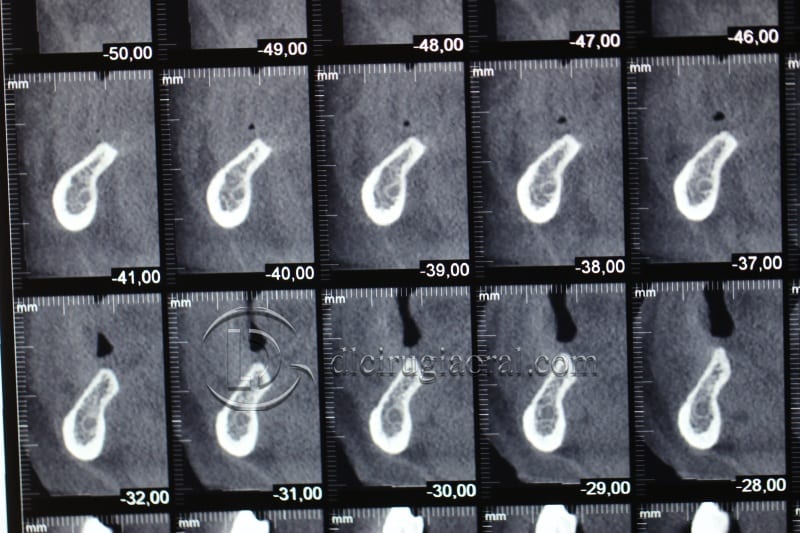
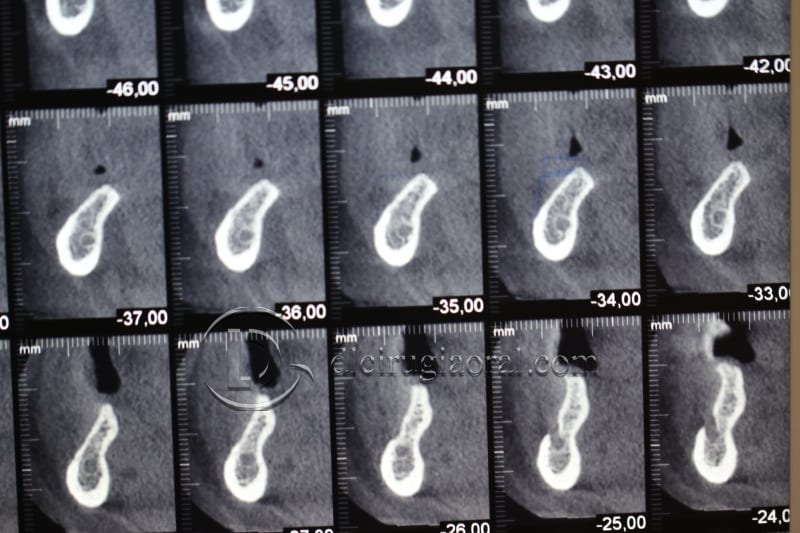
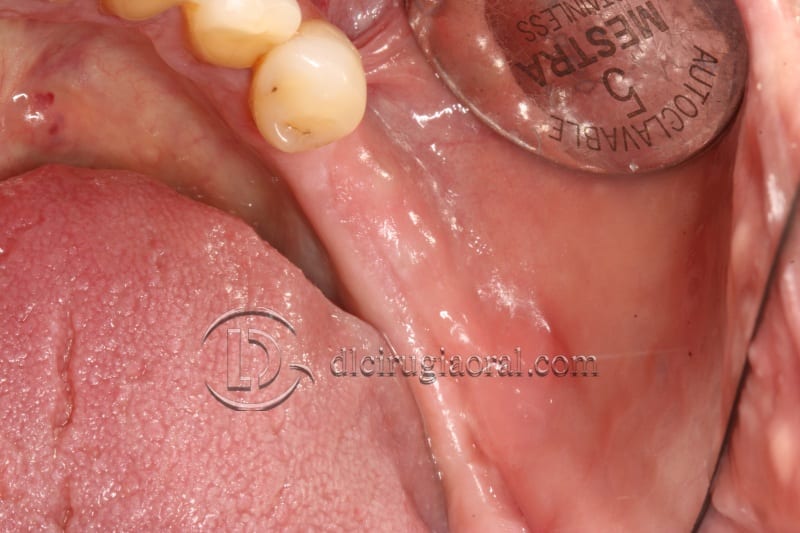
The patient, a middle-aged woman, came to the consultation seeking a fixed prosthesis in the posterior mandible. Clinical and radiographic examination revealed vertical bone loss of about 7.5 mm above the inferior alveolar nerve and horizontal atrophy that prevented ideal implant placement.
Planning vertical bone augmentation with the Khoury technique
We considered two treatment options:
-
Horizontal augmentation with short implants (6.5–7 mm)
-
Vertical augmentation using either the Sandwich Technique or Khoury’s tunnel grafting technique
We chose the second option to allow for standard-length implants (9.5–11 mm) with diameters ranging from 3.8–4.5 mm.
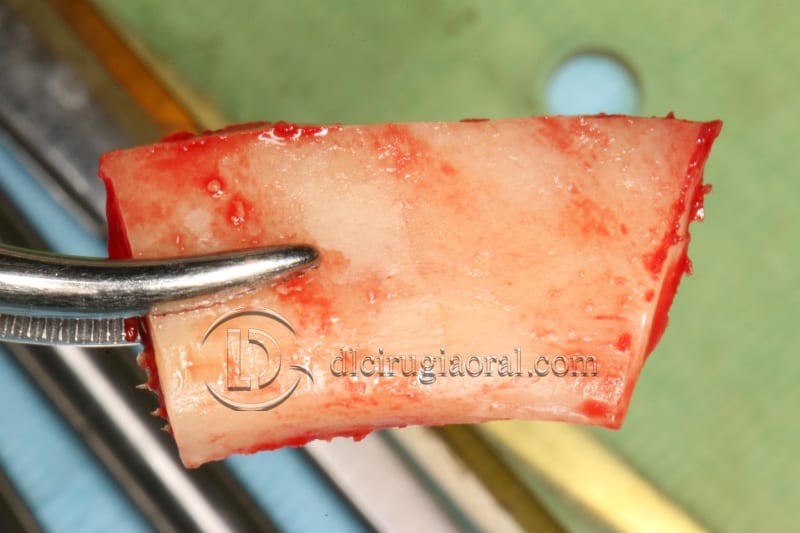
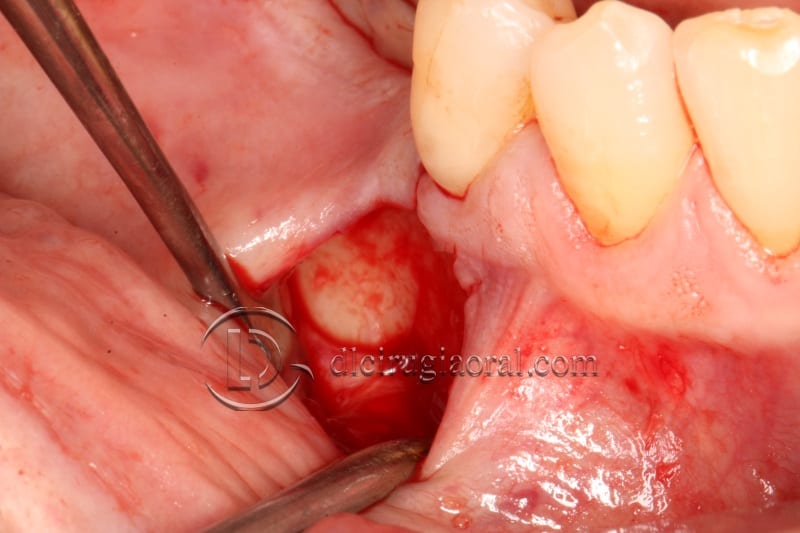
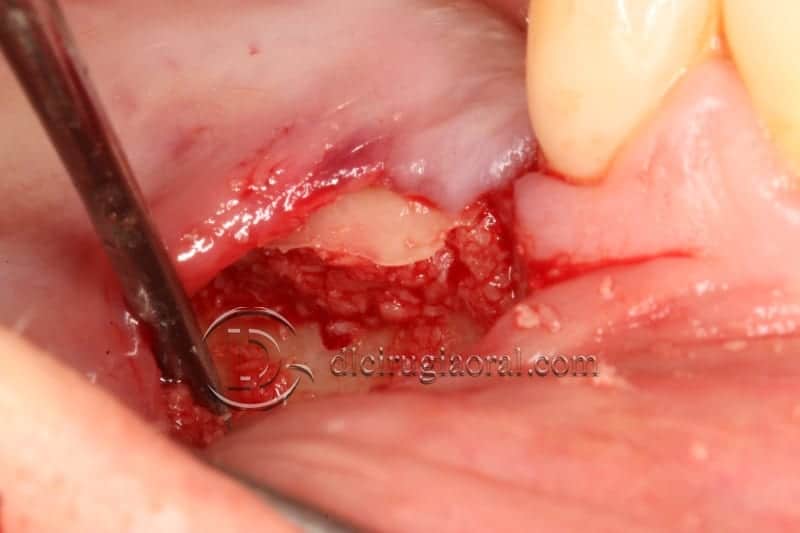
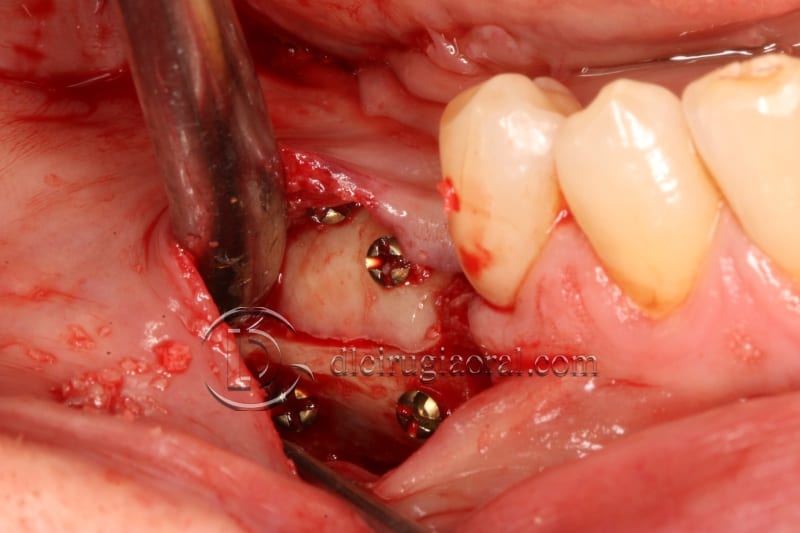
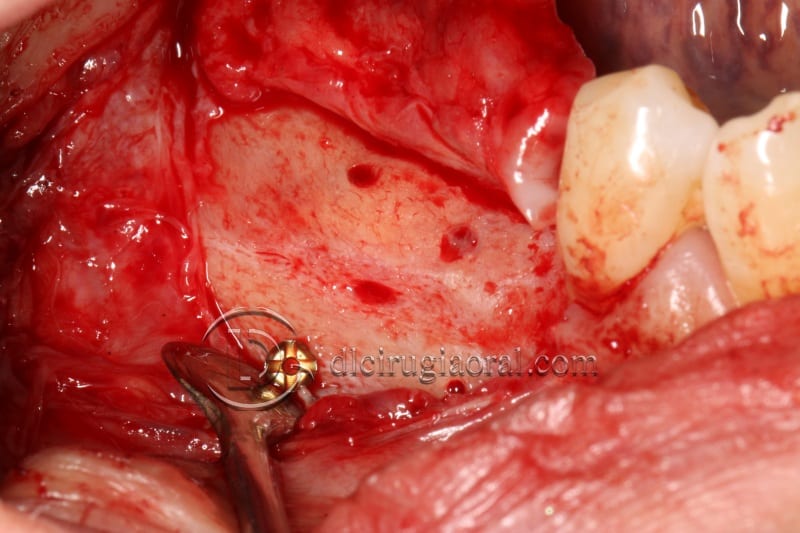
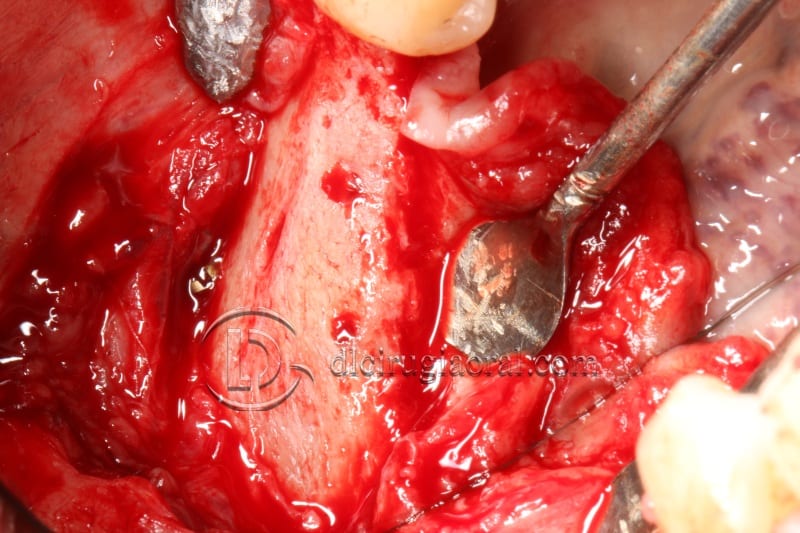
Using vertical bone augmentation with the Khoury technique, we placed two thin cortical autogenous plates in a box configuration and filled the space with particulate bone. The tunnel approach preserved the periosteum and vascular supply, improving graft survival.
📎 Learn more about this method in this Khoury technique publication on PubMed
Clinical outcome and follow-up
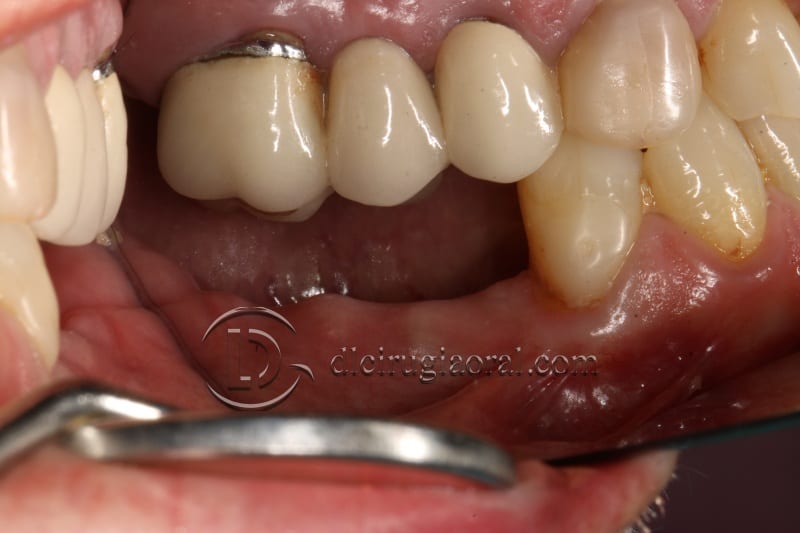
Healing was uneventful. After the graft matured, we proceeded to place implants in a prosthetically guided position, with enough vertical height and safe distance from the nerve.
📎 To see more vertical augmentation cases and advanced bone grafting techniques, explore our clinical case section
We hope this case offers valuable insights for your practice. All procedural images are included below.