
Khoury Technique Course: Step-by-Step Bone Reconstruction
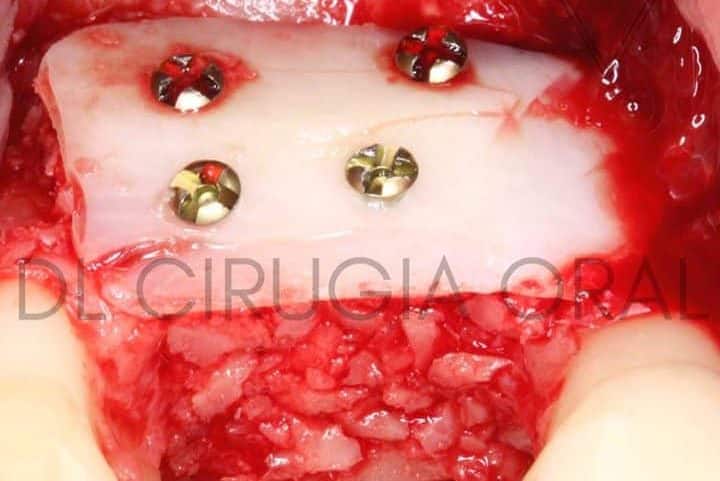
The Khoury technique course offers one of the most effective and biologically sound approaches for horizontal bone augmentation.
Originally developed by Dr. Fouad Khoury, this method uses autogenous cortical bone blocks to reconstruct alveolar defects while maintaining excellent vascularization.
Through this biological concept, clinicians can achieve stable bone volume, minimal resorption, and a predictable base for long-term implant success.
Understanding the Biological Concept in the Khoury Technique Course
The Khoury technique is based on using thin cortical plates obtained by harvesting and splitting a cortical bone block from the retromolar area.
These plates act as a biological shield, restoring the missing cortical bone. The space between them is filled with autogenous bone chips that resemble the original spongious bone, promoting natural regeneration.
Unlike synthetic materials, autogenous bone provides osteogenic, osteoinductive, and osteoconductive properties, ensuring rapid and reliable integration.
This biological process is one of the main focuses of our Khoury technique course, where participants learn to reproduce it step by step.
Step-by-Step Surgical Protocol
To perform the Khoury technique effectively, each phase requires precision and control:
- Flap design and access: The surgeon reflects a full-thickness flap to expose the recipient site. Different approaches, such as semilunar or tunnel designs, can be considered in selected cases.
- Bone harvesting: The operator obtains thin cortical plates (1–1.5 mm thick) by splitting a cortical bone block from intraoral donor sites using microsaws or piezosurgery.
- Fixation: The plates are adapted and fixed with microscrews, creating a biological “box” that maintains space and stability.
- Filling: The clinician fills the gap between the plates with autogenous bone chips to promote regeneration.
- Closure: The soft tissue is closed without tension, which promotes healing and minimizes the risk of graft exposure.
Healing typically occurs within four months, resulting in a dense and stable bone structure suitable for implant placement.
Clinical Advantages and Predictability
The Khoury technique offers several clinical advantages. It minimizes resorption, enhances vascularization, and eliminates the need for membranes or biomaterials.
Moreover, it allows predictable treatment of narrow ridges and provides excellent control over the graft contour.
When performed correctly, it ensures long-term stability for implant integration. However, mastering this procedure demands precise instrumentation, meticulous handling of soft tissues, and consistent clinical training.
Therefore, ongoing education through a Khoury technique course is key to achieving reproducible and predictable outcomes in daily practice.
Learn the Khoury Technique in a Live Surgical Course
Dentists who want to perfect this protocol can train directly with experts in our Khoury Technique Course.
This live, hands-on program covers the entire process—from bone harvesting to fixation and closure—under real surgical conditions and expert supervision.
Participants gain practical confidence, learn biological principles in detail, and apply each step during the course.
🔗 Learn step by step in our Khoury Technique Course and gain the confidence to manage advanced bone reconstruction cases in your own clinic.
Conclusion
The Khoury technique course bridges science and surgical practice.
By understanding the biological basis and mastering the technical sequence, clinicians can achieve predictable bone regeneration and long-term implant success.
This combination of theory, live surgery, and mentoring makes the Khoury Technique Course an essential learning experience for professionals in oral and implant surgery.