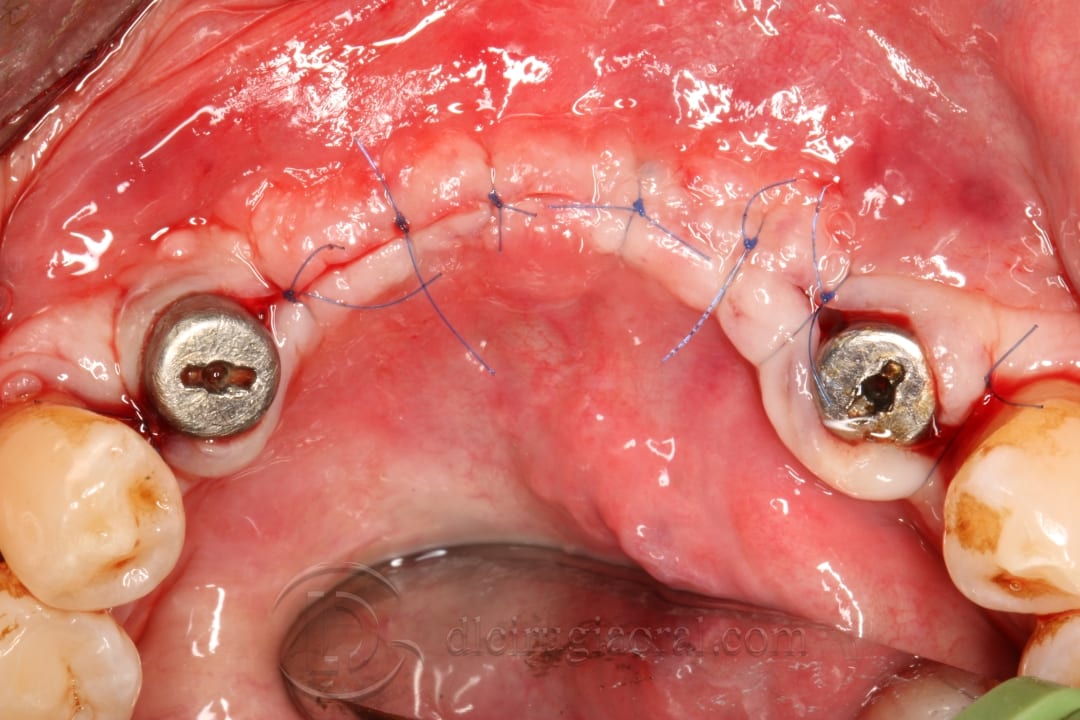
Implant placement in augmented area
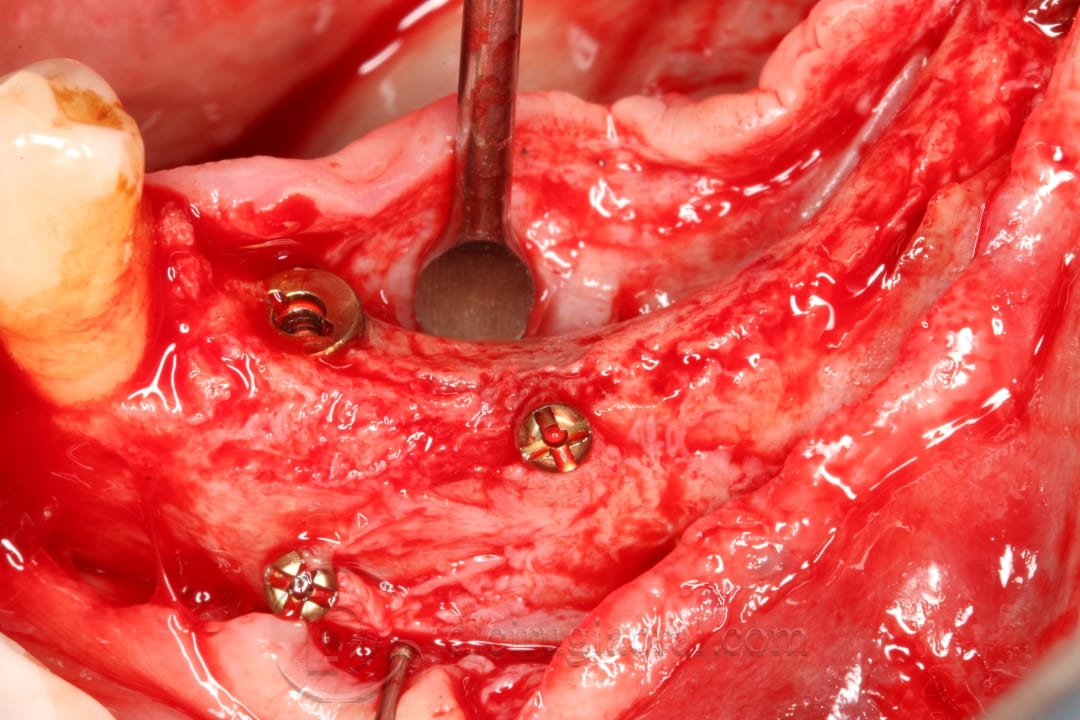
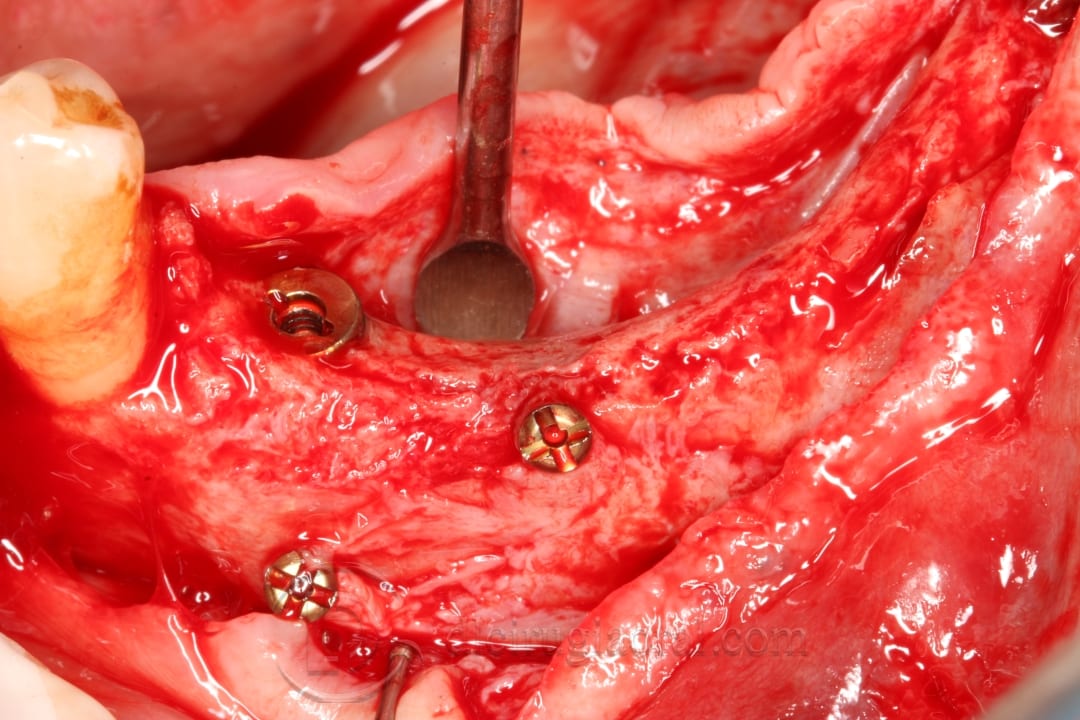
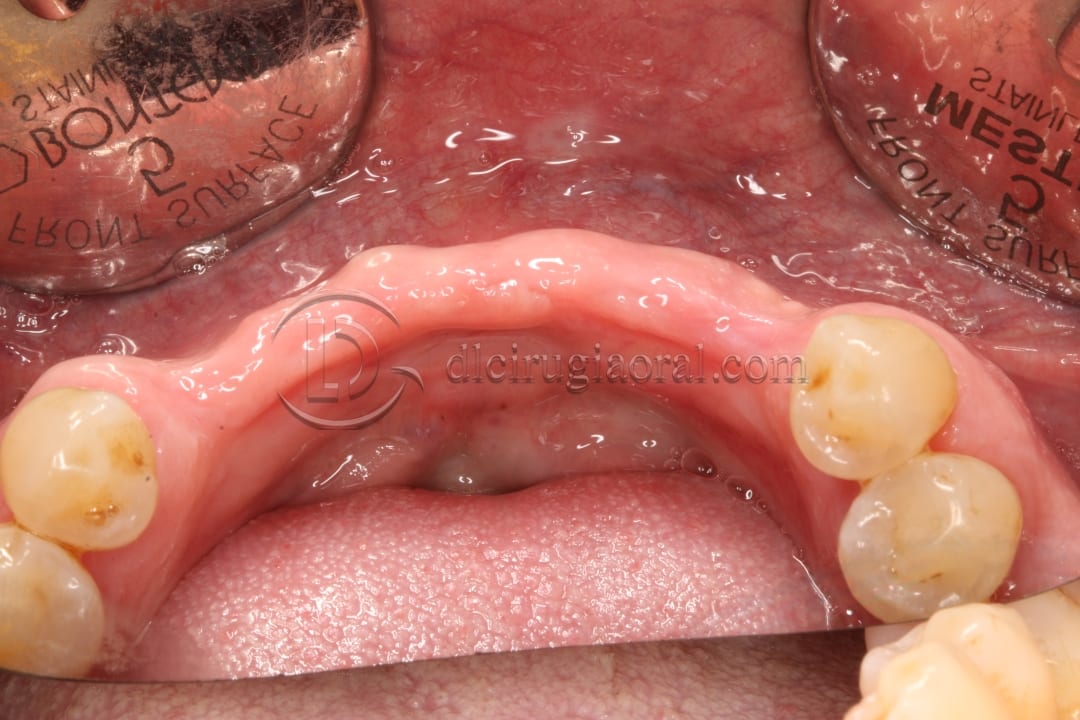
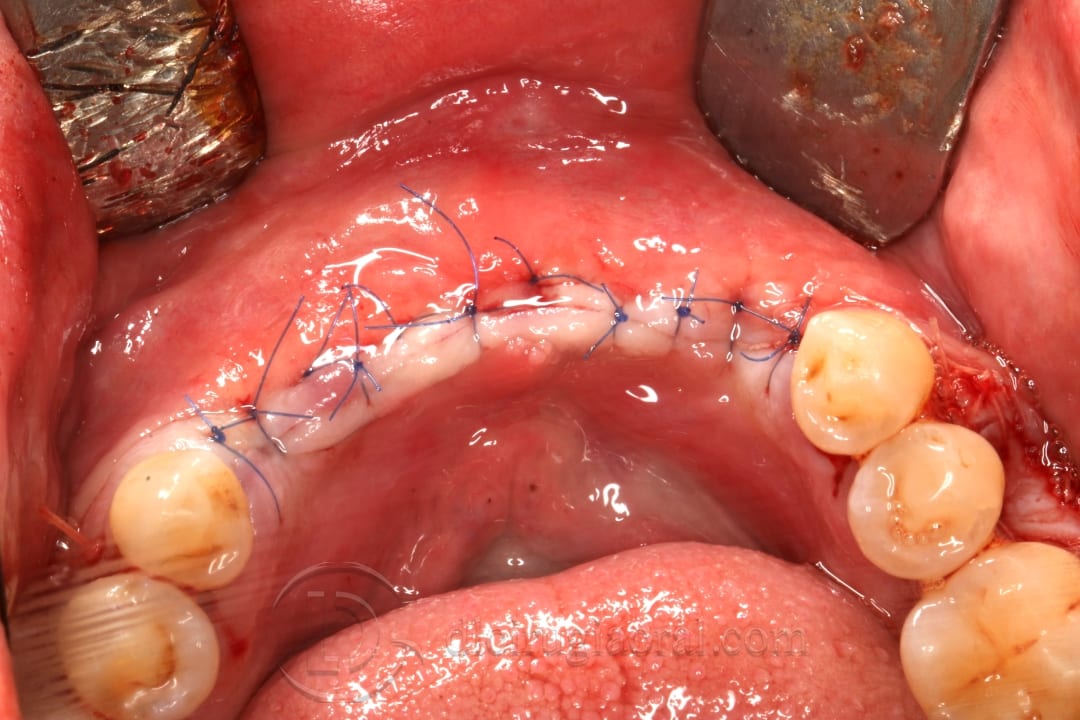
Continuing with this case on anterior mandible atrophy, we now present the second stage: implant placement in an augmented area following horizontal bone reconstruction in a 53-year-old patient.
We performed the bone graft using the principles of Prof. Fouad Khoury, applying what is currently one of the most effective and biologically predictable techniques for horizontal bone regeneration.
👉 Curious about how the Khoury technique works?
Watch our clinical step-by-step video:
Timing and staged implant placement
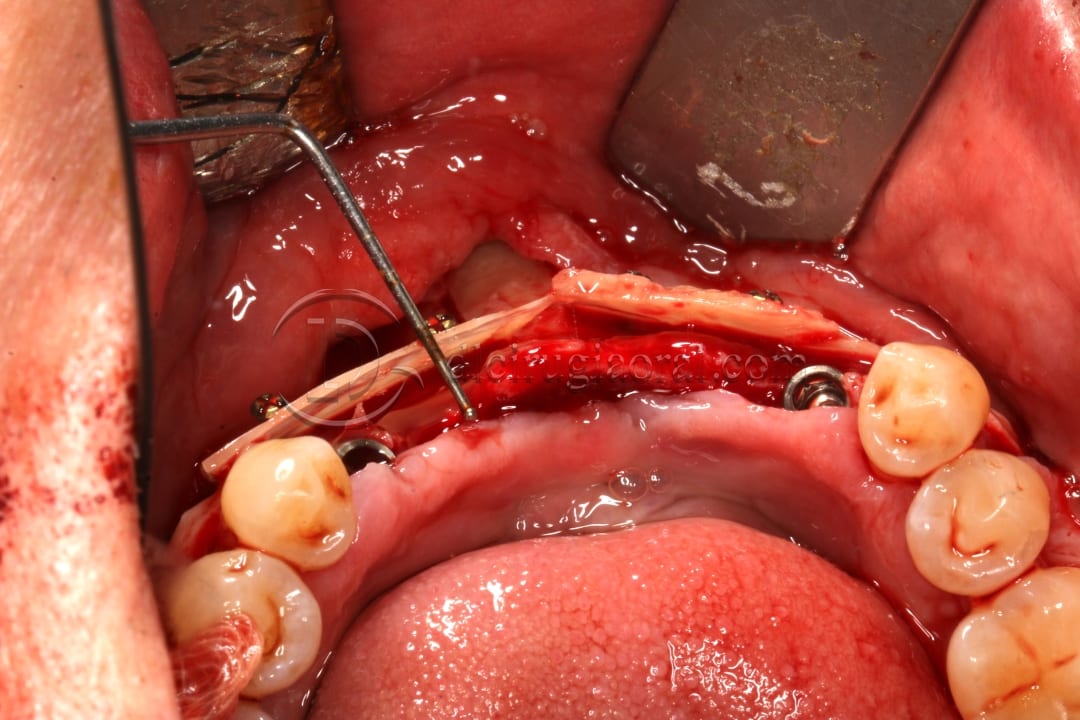
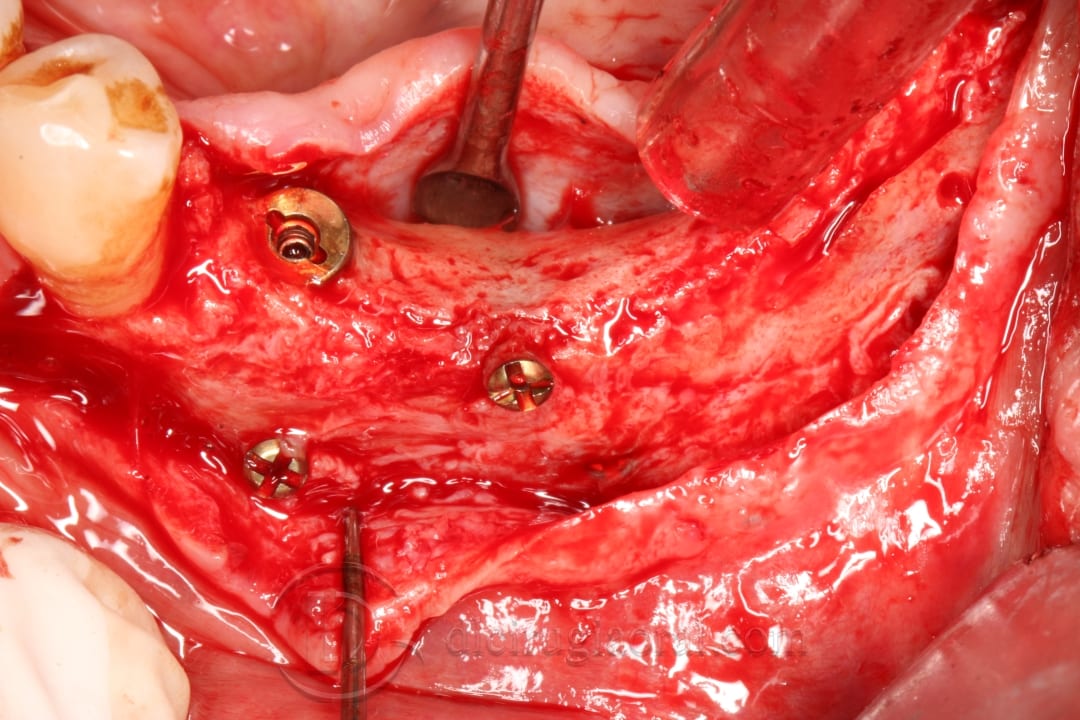
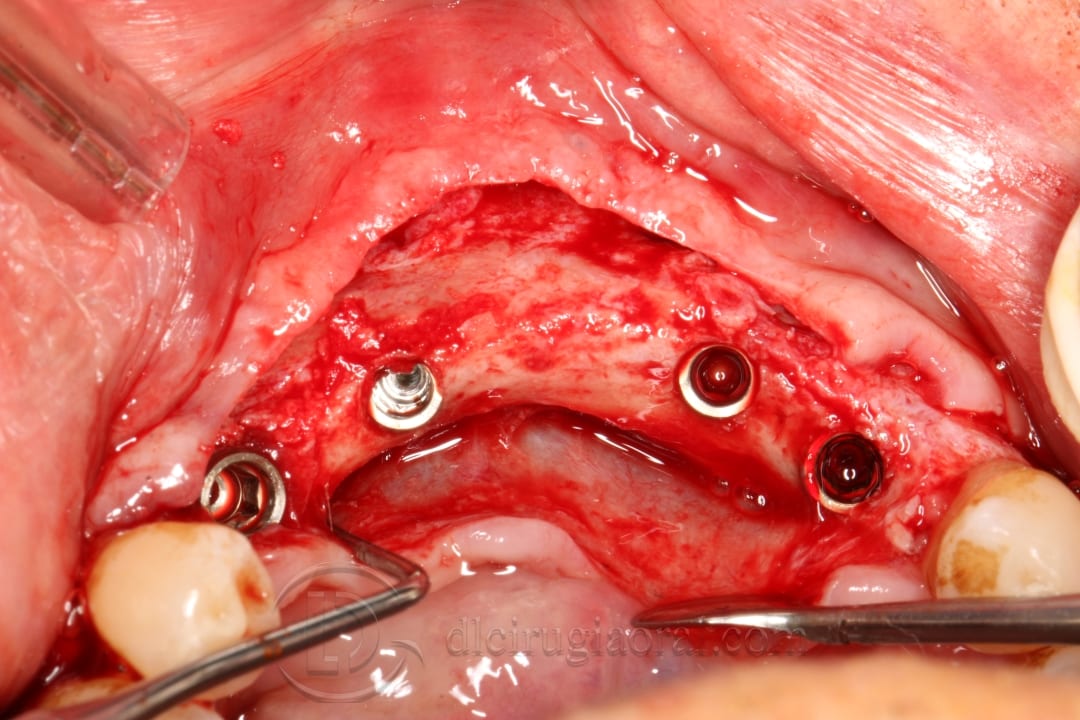
Initially, we placed the implants in the canine positions, where bone availability was sufficient. However, we postponed the placement of the central implants due to the lack of adequate volume at those sites.
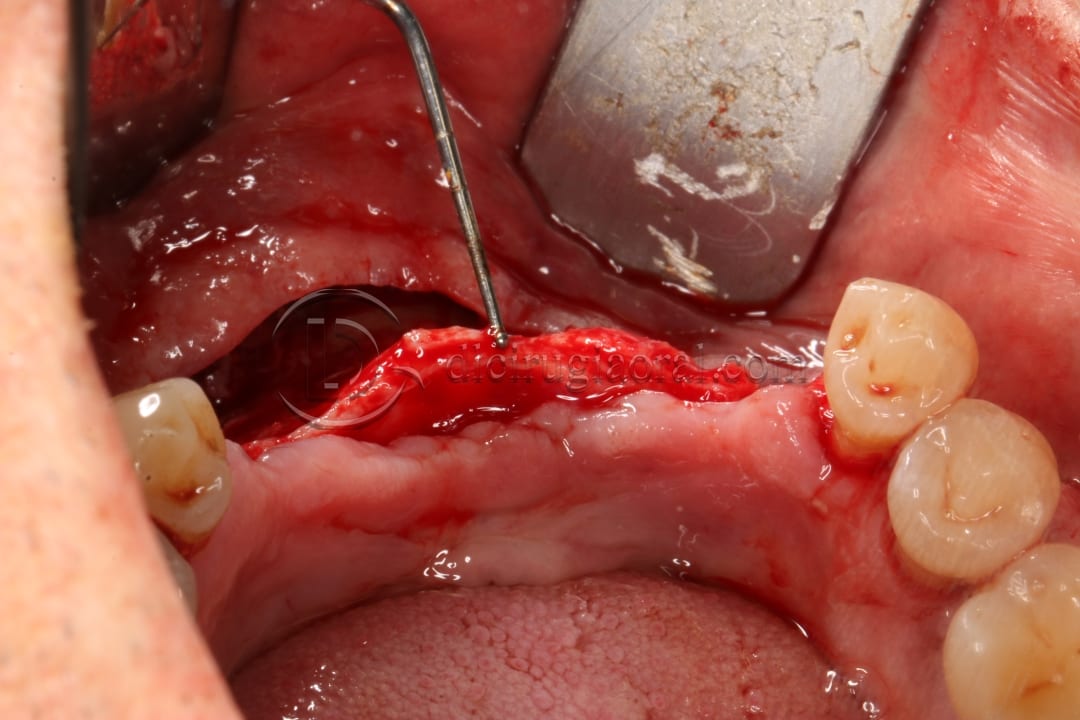
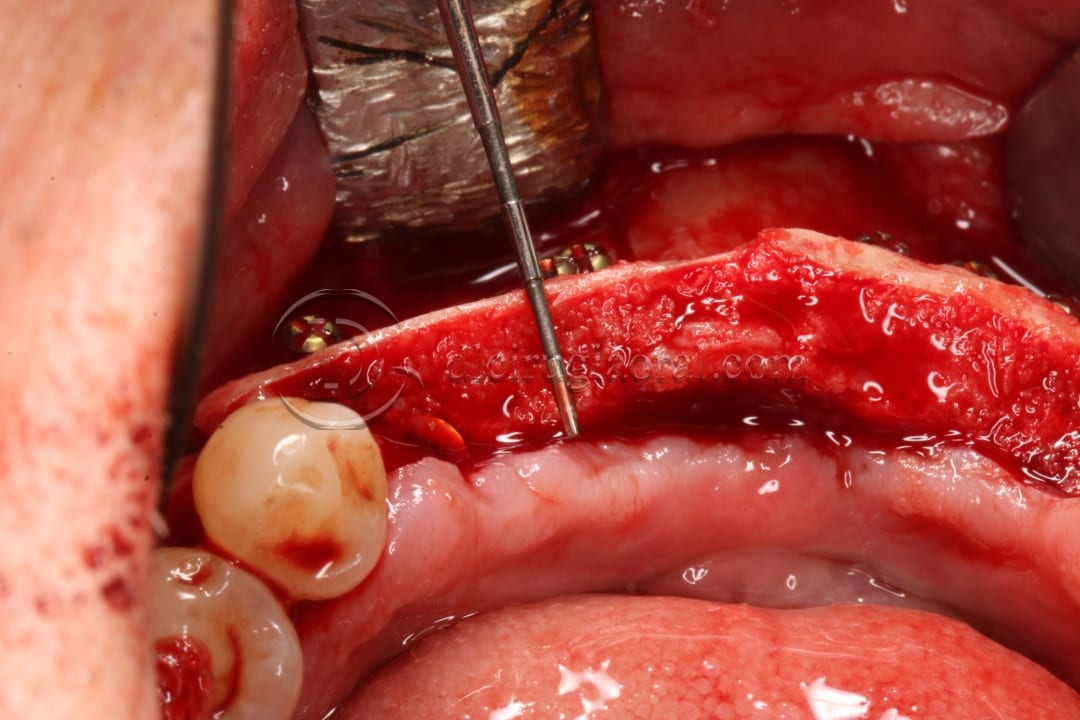
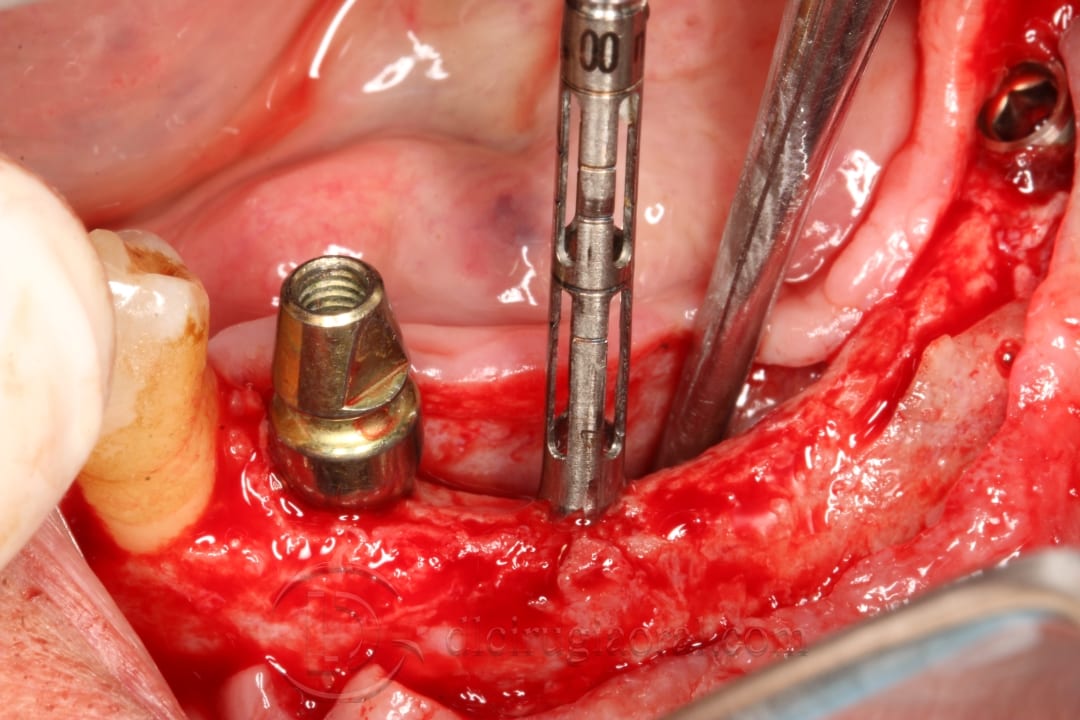
After four months, we raised a flap to assess the graft. As a result, we proceeded with implant placement in the augmented area. In addition, we harvested bone cores for histological analysis to evaluate the presence of viable osteocytes in the regenerated bone.
Clinical outcome and bone quality
The regenerated bone showed excellent volume and density. This enabled us to place the remaining implants in optimal positions, as if we were working with native bone.
This case highlights the predictability of Khoury’s technique and its application for implant placement in previously compromised areas.
Learn the technique step by step
Do you want to learn how to perform these techniques step by step?
👉 Check out our International Bone Reconstruction Course
Hope you find this case useful and inspiring. Let us know what you think!