Impacted canine extraction and implant – Single-step approach
2015year
14photographs
4sections
X-ray
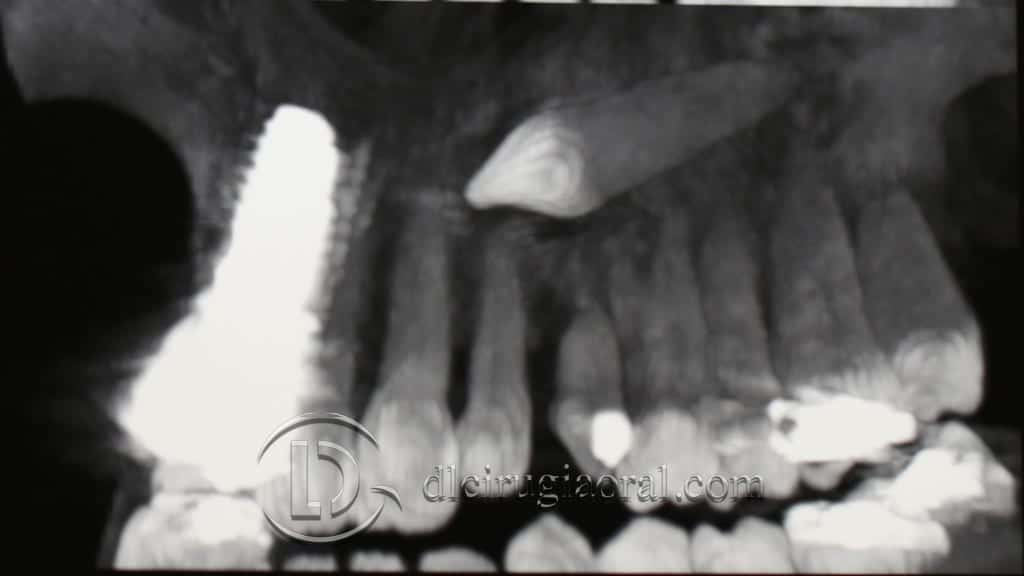
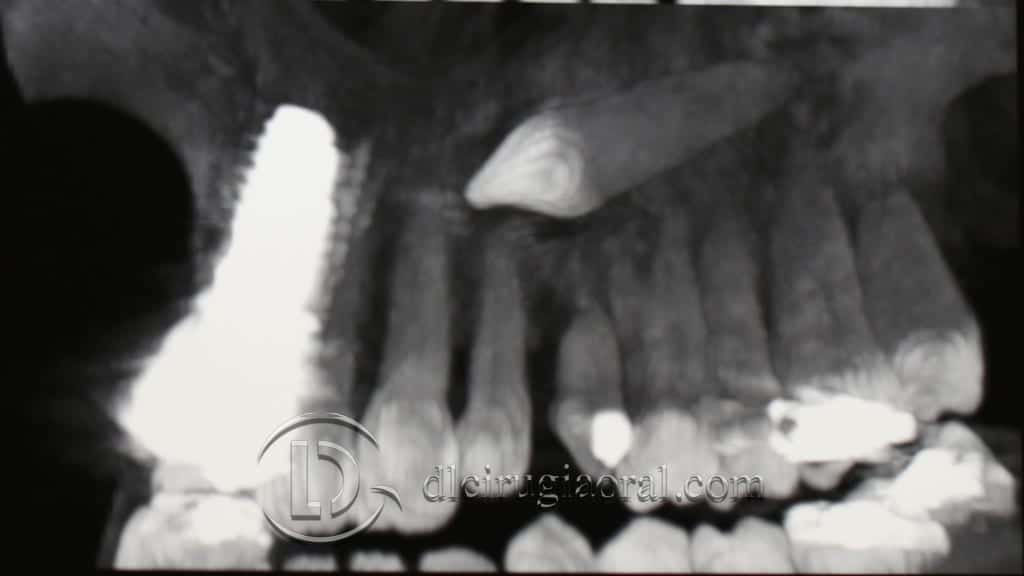
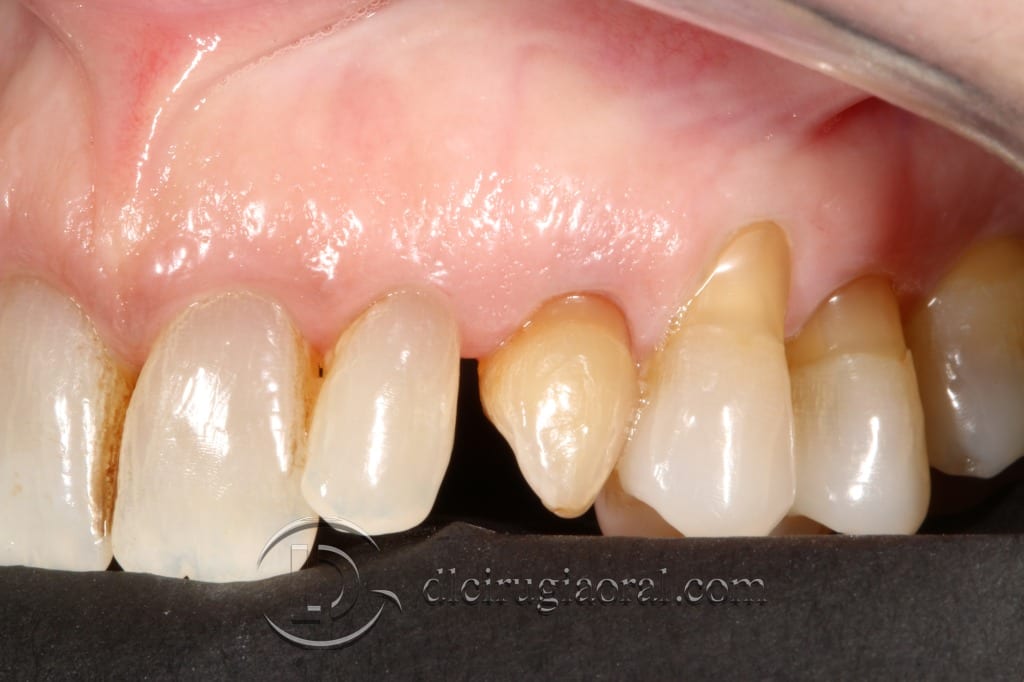
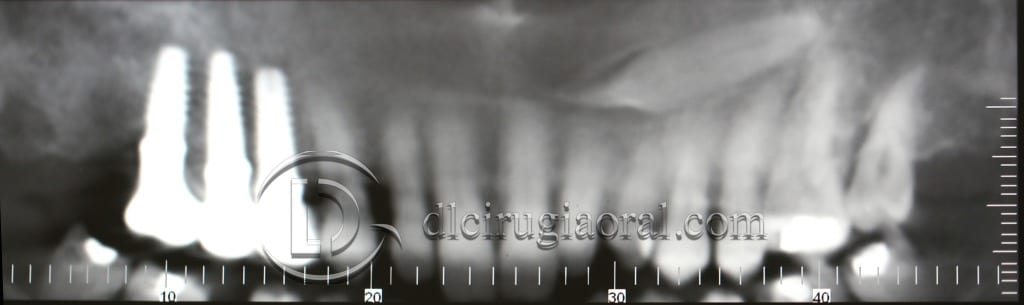
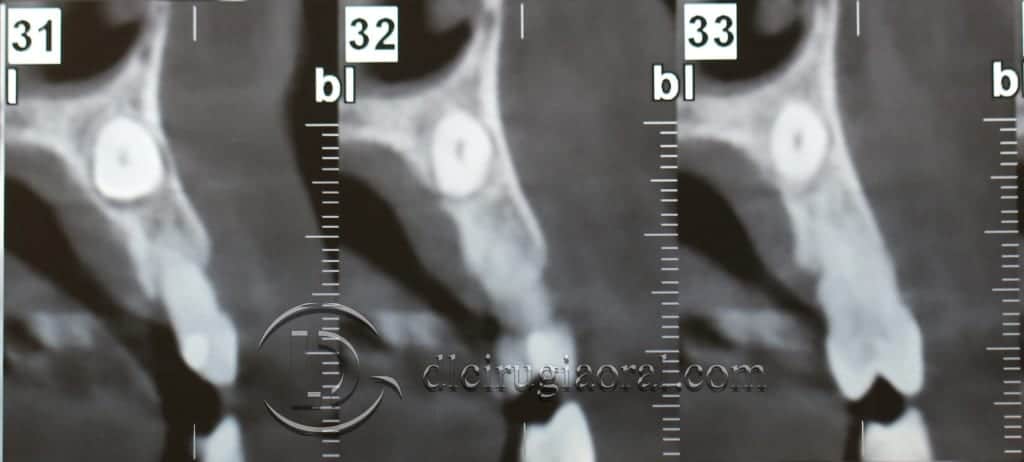
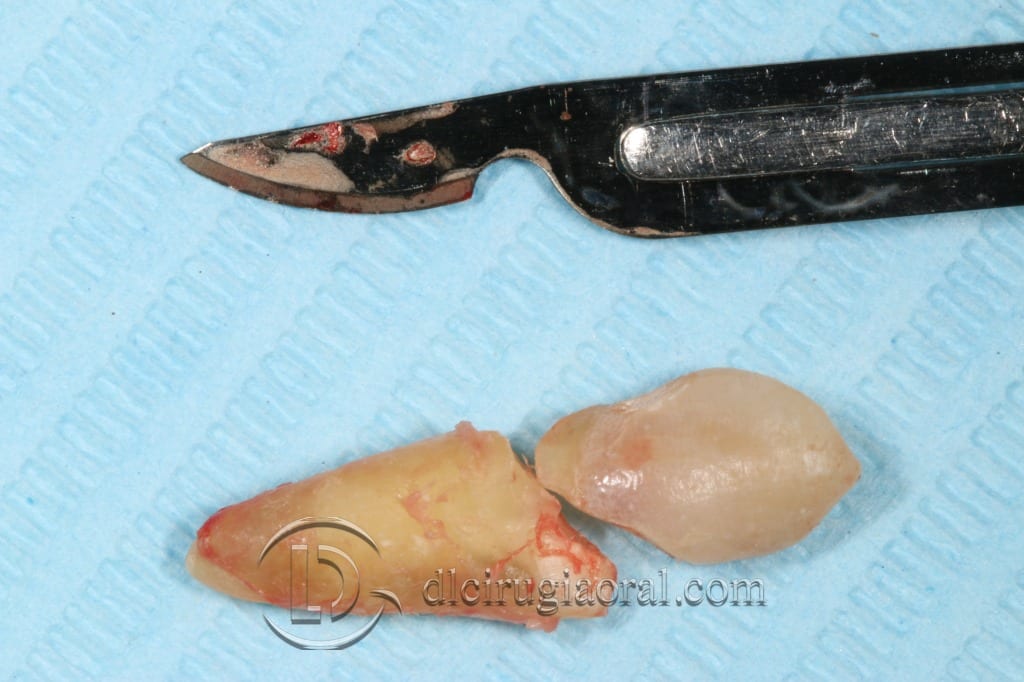
Today we present a case involving impacted canine extraction and implant, managed in a single-stage procedure. The patient is a healthy 40-year-old woman referred to us with an impacted upper left canine and a retained deciduous canine. The temporary tooth showed mobility and caused discomfort.
Why we ruled out orthodontic treatment
The orthodontist had already evaluated the case. Due to the patient’s age and the impacted tooth’s horizontal position above the apices of adjacent teeth, they ruled out traction or repositioning. Orthodontic correction was not viable in this case.
Conventional vs. combined protocol
Traditionally, the protocol would involve:
Surgical extraction of the impacted canine
Waiting 4–5 months
Implant placement
Optional grafting, followed by another healing phase
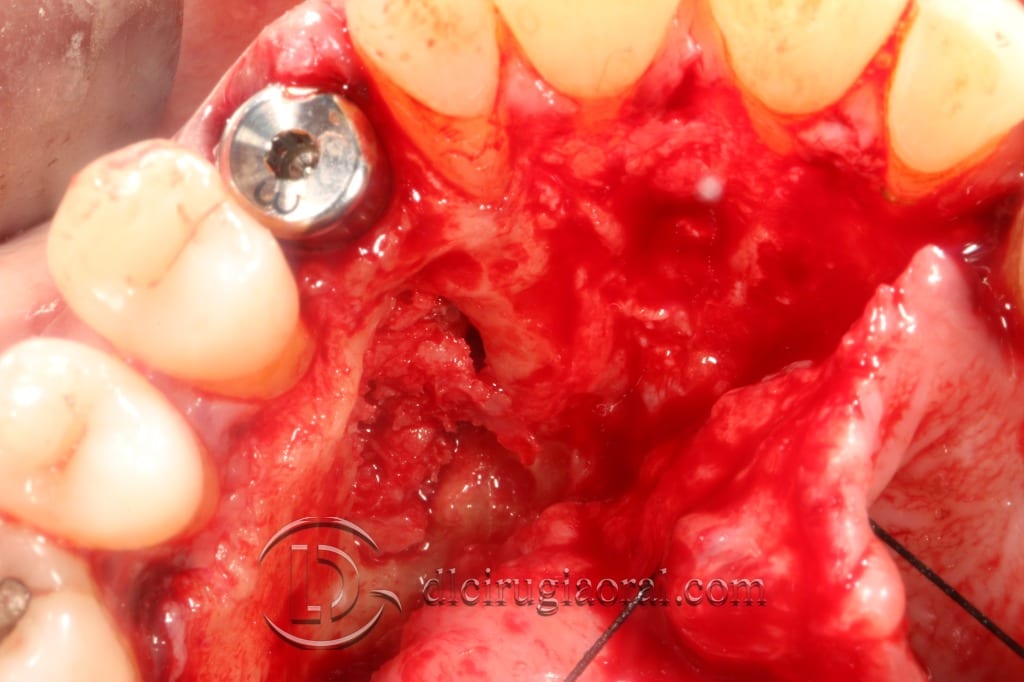
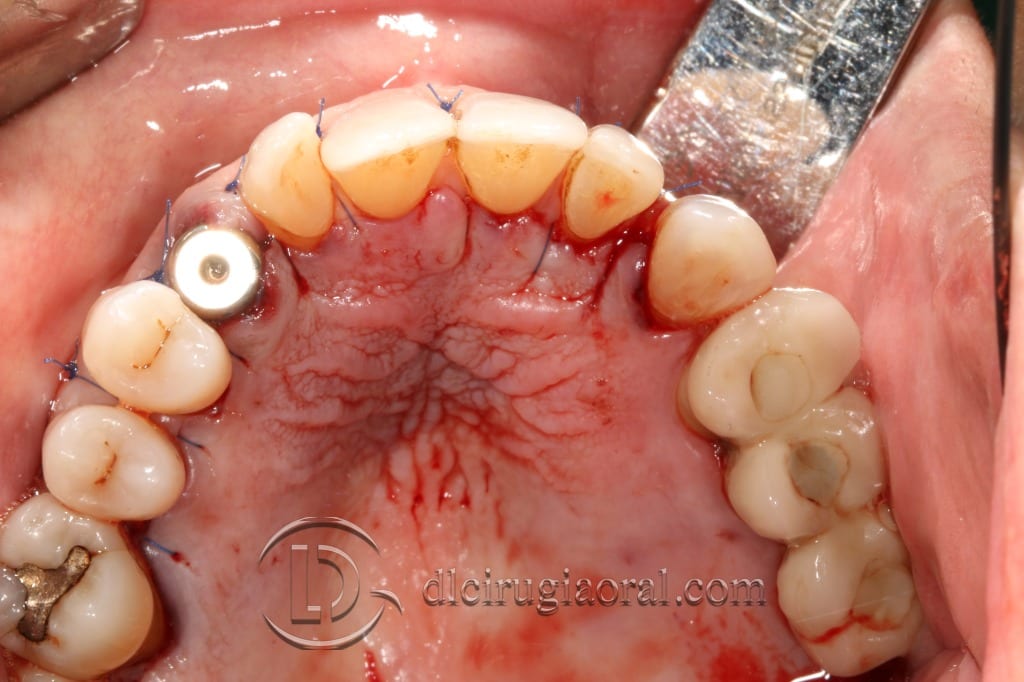
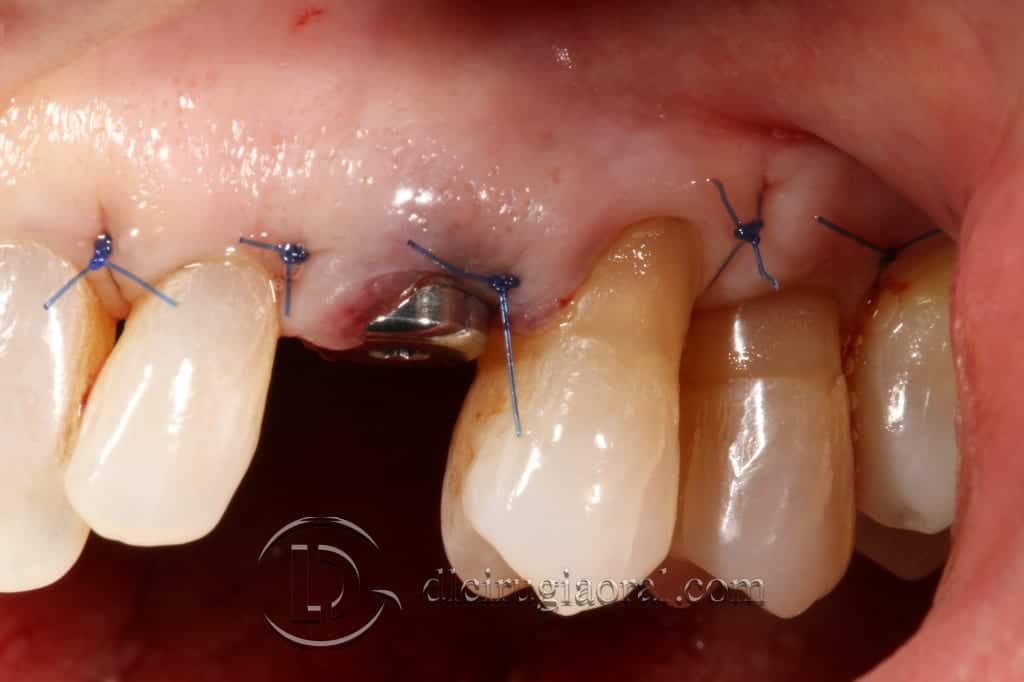
However, we opted for a combined, single-step approach. This allowed us to perform the impacted canine extraction and implant placement, along with grafting, all in one procedure.
Clinical advantages of the single-stage protocol
By minimizing the number of surgeries, we reduced overall treatment time and preserved the soft tissue volume. Performing the graft at the time of extraction also prevented collapse of the vestibular contour, which is especially important in the anterior maxilla.
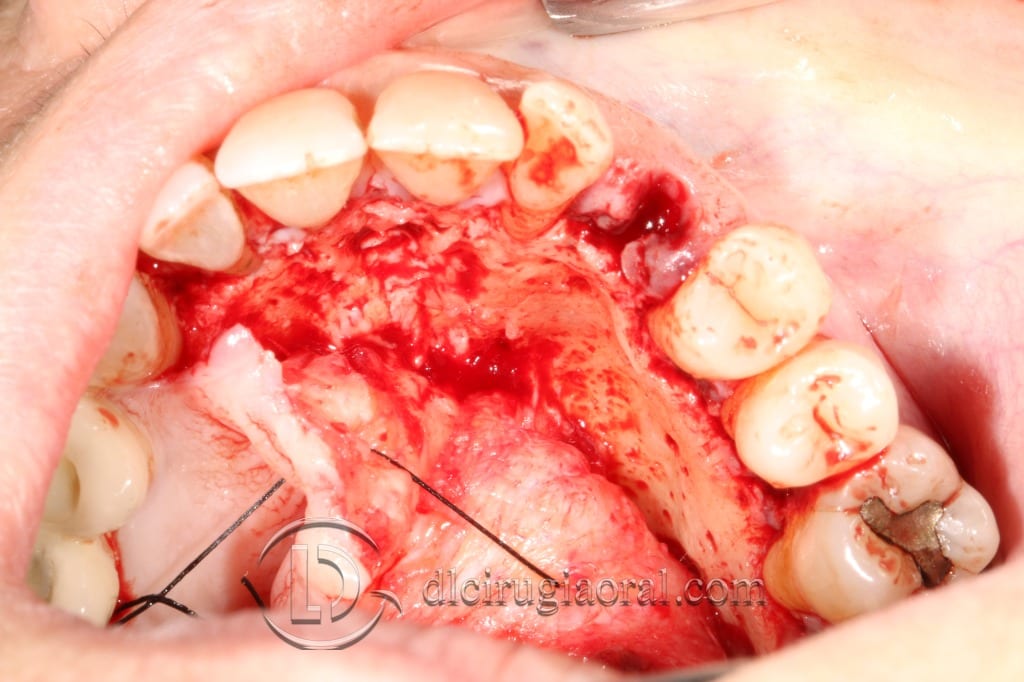
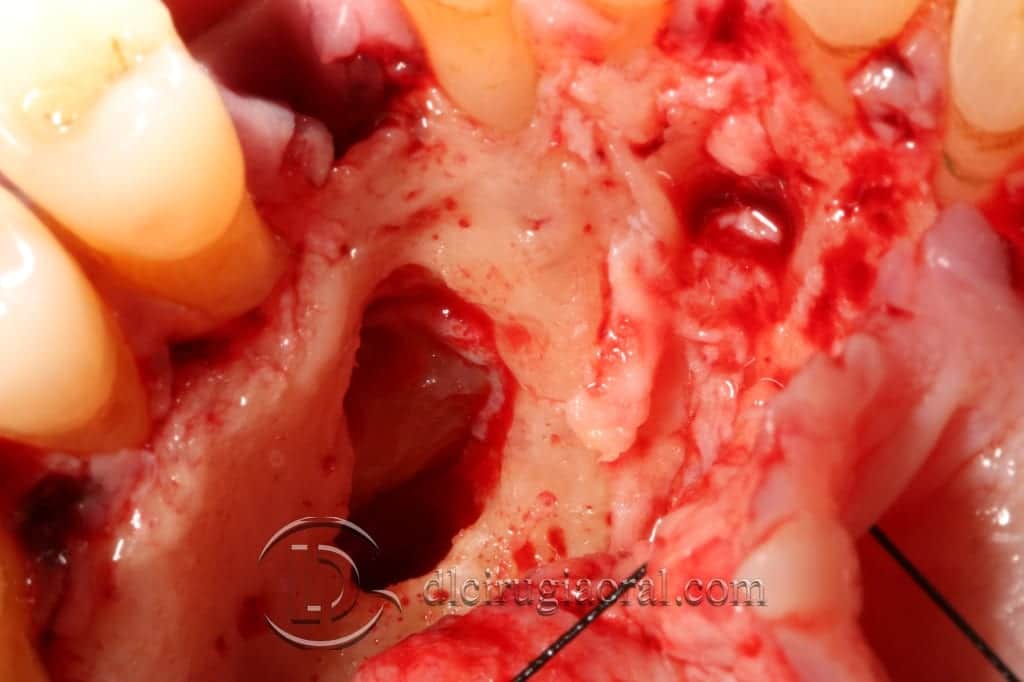
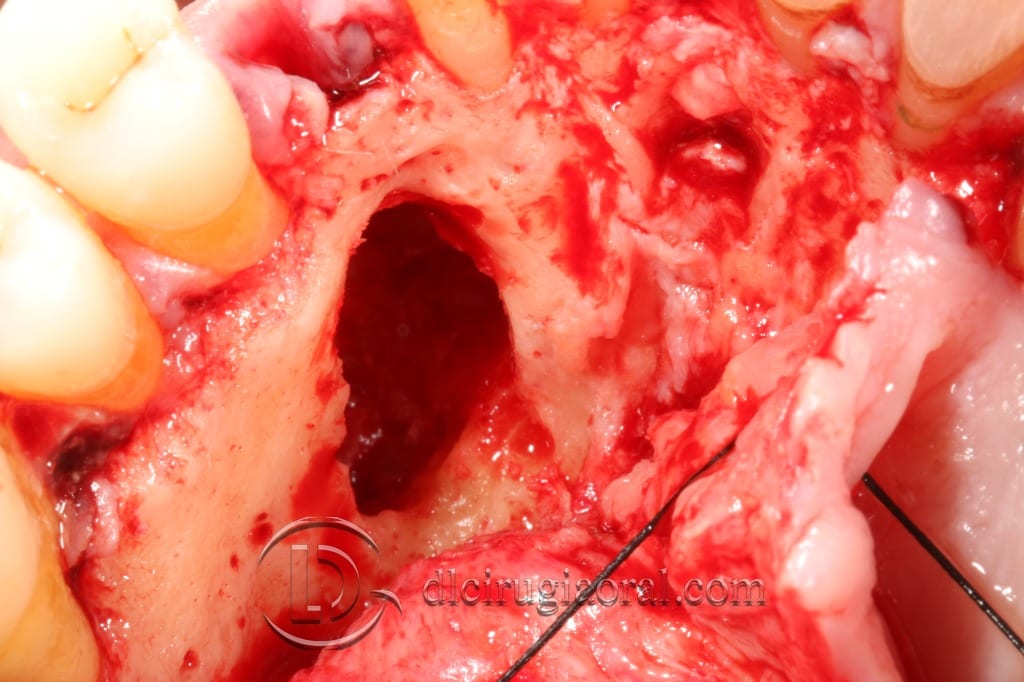
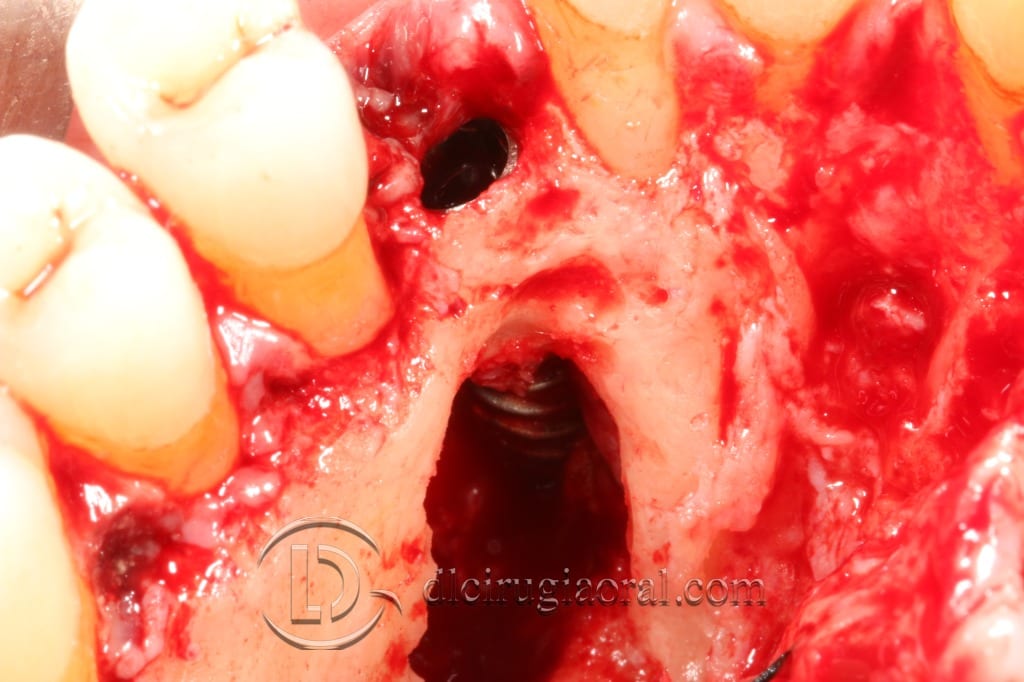
The surgical sequence involved accessing the impacted tooth, extracting the deciduous canine, preparing the site, placing the implant, and grafting the defect created by the canine extraction.
Learn more
📎 Want to see more complex extraction and implant cases? Visit our clinical case archive for full documentation and follow-ups.
We hope you find this approach useful in managing impacted canine cases with high aesthetic and functional demands.
Previous imageX-rayX-rayCTMucoperiosteal flapOsteotomy - canine visibleExtraction of impacted canineCanine with dental sectionImplant placedGraft of defectSuturesSutures